










A Delaware court has issued a ruling regarding attorney fees in the case of First Hartford Realty Corporation v. Food Ventures North America, Inc., C.A. No. N23C-06-085, which could impact how similar business disputes are resolved in the future. The ruling affects both companies involved in the case, as well as potentially influencing other businesses entering into contractual agreements.
The dispute began when First Hartford Realty Corporation and Food Ventures North America, which operates under the name Wild Fork Foods, entered into agreements to develop Wild Fork stores in Pennsylvania and Texas. However, the relationship soured over disagreements about costs related to a project in Horsham, Pennsylvania. This disagreement escalated to include claims over profit-sharing from projects in Texas, making the case more complex.
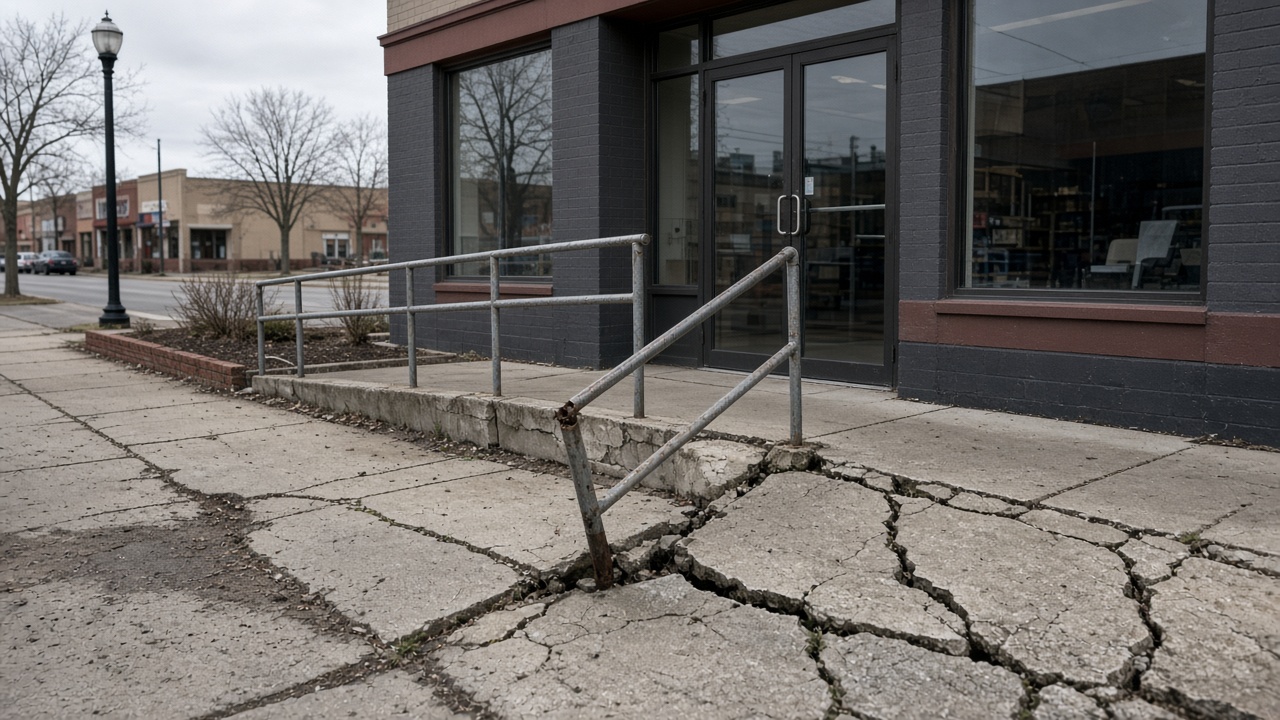
The main issue revolved around approximately $288,866 in costs for an electrical transformer, decorative lighting, a monument sign, and sidewalk work. First Hartford claimed that Wild Fork's refusal to cover these costs constituted a breach of their contract, leading them to withhold around $891,000 in profit-sharing proceeds from Wild Fork's Texas projects. After a four-day bench trial, Wild Fork prevailed on the primary issues concerning the Horsham project, while First Hartford did win on some other claims.
Following the trial, Wild Fork sought to recover its attorney fees, totaling $93,996.66 in costs and $766,017.50 in attorney fees. First Hartford opposed this request, arguing that the court's previous ruling only allowed for limited fee recovery related to the profit-sharing claim and did not extend to other issues.
The court ruled in favor of Wild Fork, stating, "Wild Fork is entitled to recover attorney’s fees under Texas Civil Practice and Remedies Code § 38.001 for its successful breach-of-contract claim." The judge emphasized that Wild Fork also had a contractual basis to recover fees under Section 19 of the Ground Lease, which stated that the prevailing party in litigation related to the lease would have their attorney fees covered by the non-prevailing party.
The court found that Wild Fork was indeed the prevailing party in the litigation concerning the Ground Lease, which allowed them to recover attorney fees. The judge noted that First Hartford's arguments against the fee recovery were largely unfounded.
Going forward, this ruling sets a precedent for how attorney fees can be awarded in similar business disputes, particularly those involving multiple agreements and jurisdictions. It clarifies that a prevailing party may be entitled to recover fees under both statutory law and specific contractual provisions, even if the court does not explicitly mention those provisions in its ruling.
The ruling also highlights the importance of clearly defined contractual terms regarding attorney fees, which can significantly impact the outcomes of future litigation. Businesses entering into contracts should consider including clear fee-shifting provisions to avoid disputes over attorney fees in case of litigation.
As for what’s next, while First Hartford has the option to appeal the ruling, it remains to be seen whether they will pursue that route. There are currently no related cases pending that could affect this ruling.