










The Fourth Circuit Court of Appeals ruled on July 31, 2026, that personalized license plates in Virginia are a form of private speech protected by the First Amendment. This decision affects drivers in Virginia who wish to express their opinions through customized license plates, which the state previously deemed vulgar or offensive.
The case arose when Curtis Whateley applied for a personalized license plate with the characters "FTP&ATF," which he intended to mean "Fuck the Police & Alcohol, Tobacco, and Firearms." Initially, the Virginia Department of Motor Vehicles (DMV) approved his request, but later revoked the plates after receiving a complaint about their offensive nature. Whateley then sued DMV Commissioner Gerald Lackey, arguing that the state violated his First Amendment rights by recalling his plates based on their message.
The district court dismissed Whateley’s case, ruling that the license plates represented government speech, which is not subject to the same First Amendment protections as private speech. Whateley appealed this ruling, leading to the Fourth Circuit’s review.
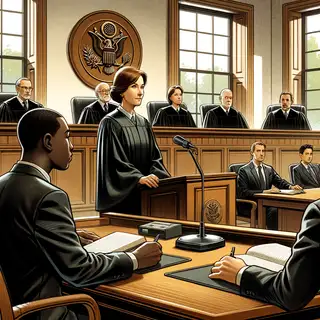
The Fourth Circuit's opinion, authored by Judge Pamela Harris, concluded that the messages on personalized license plates are indeed private speech. The court stated, "We conclude that Virginia's personalized license plate messages are private speech subject to First Amendment protection." This ruling overturned the district court's decision and sent the case back for further proceedings.
The court's decision is significant because it clarifies the distinction between government and private speech in the context of personalized license plates. The judges noted that while the DMV issues the plates, the character combinations are chosen by the vehicle owners, thus representing their individual expressions rather than the state's message.
The ruling also highlighted that the public generally perceives personalized license plates as personal expressions of the vehicle owners. The court emphasized that Virginia's program allows individuals to communicate their messages, which can be interpreted in various ways by observers.
The impact of this ruling extends beyond Whateley. It sets a precedent that could influence similar cases regarding personalized license plates across the country. Drivers in Virginia and potentially other states may now have greater freedom to express their views through customized plates without fear of government censorship based on the content of their messages.
Looking ahead, the case may still see further legal developments. The DMV could potentially appeal the Fourth Circuit's ruling, although details on any such plans were not available in the court filing. Additionally, there may be related cases regarding the regulation of personalized license plates and their implications for free speech rights.
This ruling is a significant step in affirming the First Amendment rights of individuals to express their opinions, even through the medium of personalized vehicle registration. As the debate over free speech continues, this case underscores the importance of protecting individual expression against governmental restrictions.