









The Kansas Supreme Court affirmed a hard 50 sentence for Doniel Lee Sublett Jr., who pleaded guilty to murdering his pregnant girlfriend and their unborn child. The court's decision, filed on July 10, 2026, means Sublett will serve a life sentence without the possibility of parole for 50 years. This ruling impacts not only Sublett but also the families of the victims, who are left to cope with the tragic loss.
Sublett shot his girlfriend, Kathleen Dampier, while she slept on his mother's couch in September 2022. He shot her again shortly after the first shot. The case raised questions about the appropriate punishment for Sublett, who argued for a lesser sentence due to his troubled upbringing and mental health issues. The court's ruling highlights the complexities of sentencing in serious criminal cases.
The parties involved in this case are the State of Kansas, represented by the district attorney's office, and Doniel Lee Sublett Jr., the appellant. The dispute centers around Sublett's sentencing following his guilty plea to two counts of first-degree premeditated murder. The case reached the Kansas Supreme Court after Sublett appealed the district court's decision to impose a hard 50 sentence instead of a lesser hard 25 sentence.
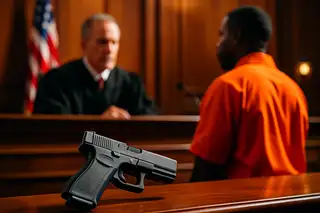
In the district court, Sublett and the State had a plea agreement that recommended concurrent sentences. However, they disagreed on the length of those sentences. The State sought hard 50 sentences, while Sublett requested hard 25 sentences. After a two-day evidentiary hearing, the district court decided on a hard 50 for each murder, running them concurrently, effectively giving Sublett one hard 50 sentence for both murders.
The Kansas Supreme Court ruled that the district court did not abuse its discretion in imposing the hard 50 sentence. The opinion, delivered by Justice Wall, stated, "A reasonable person could agree that the unprovoked murders of two helpless victims did not warrant the lesser sentence." The court emphasized that the district court carefully considered Sublett's arguments and mitigating circumstances before reaching its decision.
Sublett's defense argued that his upbringing, substance abuse, and mental health issues should have led to a lesser sentence. The district court acknowledged some mitigating factors but ultimately concluded that they did not provide substantial and compelling reasons to deviate from the hard 50 sentence. The court's ruling indicated that the severity of the crimes warranted the maximum sentence.
The impact of this ruling extends beyond Sublett. It serves as a reminder of the consequences of violent crime and the lasting effects on victims' families. The court's decision reinforces the notion that the legal system must balance the need for justice with considerations of individual circumstances.
Looking forward, this ruling sets a precedent for similar cases involving severe crimes and the consideration of mitigating factors in sentencing. It clarifies the standards that courts must apply when determining whether to impose a lesser sentence in cases of first-degree murder. The court's emphasis on the importance of the district court's discretion in sentencing may influence future cases involving similar circumstances.
As for what’s next, Sublett's options for appeal appear limited. The Kansas Supreme Court has upheld the district court's ruling, leaving little room for further legal recourse. There is no indication of a related case pending that could affect this ruling. The focus now shifts to the implications of this decision for future cases and the ongoing discussions about sentencing practices in the criminal justice system.