



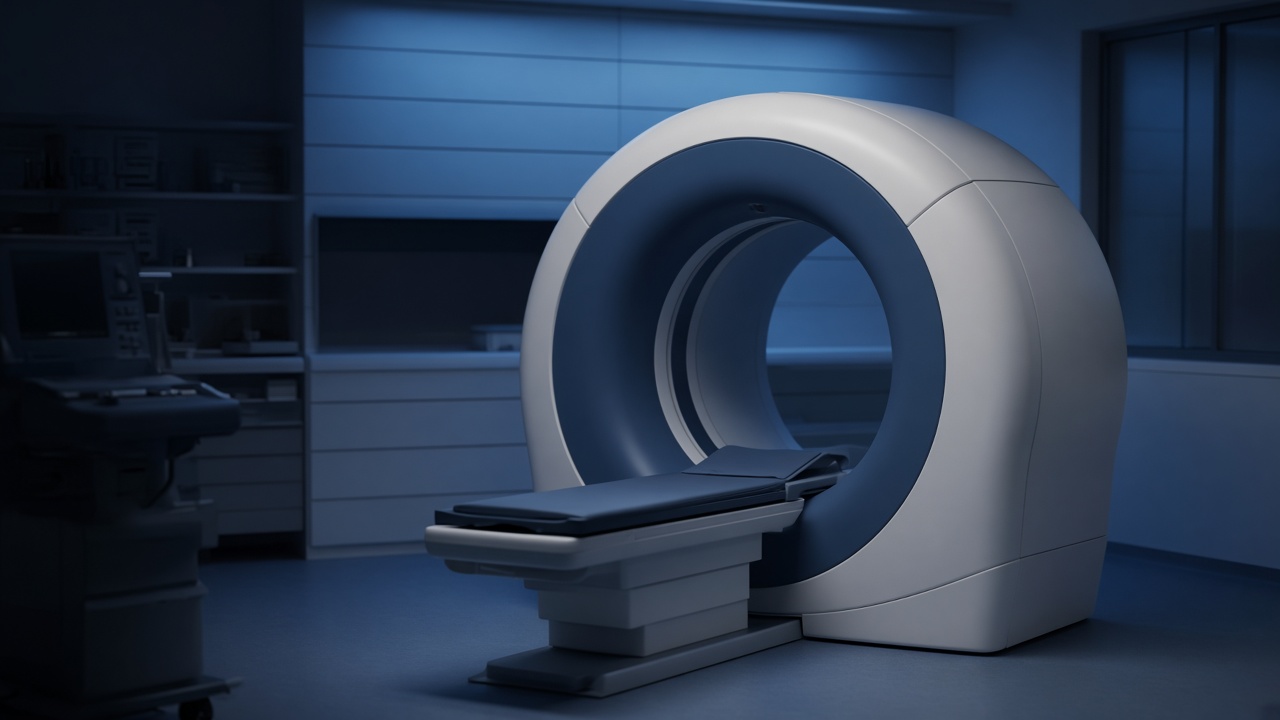






The U.S. Court of Appeals for the D.C. Circuit has upheld a ruling that allows for the circumvention of copyright protections on medical devices for repair purposes. This decision affects medical device manufacturers and independent service organizations (ISOs) who rely on access to copyrighted software to maintain and repair essential medical equipment. The ruling is significant as it clarifies the balance between copyright protections and the need for accessible medical device repairs.
The case, titled Medical Imaging & Technology Alliance v. Library of Congress (No. 25-5328), originated from a dispute between the Medical Imaging & Technology Alliance (MITA) and the Advanced Medical Technology Association (AdvaMed) against the Library of Congress and its acting librarian, Todd Blanche. The appellants challenged the Librarian's adoption and renewal of a medical device repair exemption under the Digital Millennium Copyright Act (DMCA), which permits limited circumvention of technological protection measures (TPMs) for the purpose of diagnosing, maintaining, or repairing medical devices.
The dispute arose after the Librarian of Congress conducted a triennial rulemaking process, which included requests for exemptions to the DMCA's anticircumvention provisions. The medical device repair exemption allows ISOs to access copyrighted software and data files necessary for the repair of medical devices, which are crucial for patient care. The appellants argued that this exemption violated the Administrative Procedure Act (APA) and exceeded the Librarian's authority.
The district court initially sided with the Library of Congress, granting summary judgment in favor of the appellees. The court concluded that the medical device repair exemption was lawful under the DMCA. Following an appeal, the D.C. Circuit Court affirmed the district court's decision, stating, "The Librarian’s adoption of the medical device repair exemption was lawful, reasonable, and supported by thorough and well-reasoned explanations from the Eighth and Ninth Triennial Rulemaking procedures."
The D.C. Circuit Court's ruling emphasized the importance of the exemption in enabling ISOs to perform necessary repairs on medical devices. The court found that the Librarian had appropriately considered the statutory fair-use factors when determining the legality of the exemption. The first factor, concerning the purpose and character of the use, favored fair use because the ISOs' use of the software was transformative, allowing for the repair and maintenance of medical devices rather than simply replicating the original work.
Additionally, the court ruled that the nature of the copyrighted work, which is functional and utilitarian, also supports the fair use determination. The court noted that both the clinical operation software and the repair software are primarily used to control and operate medical devices, not for their expressive qualities. The third factor, which assesses the amount and substantiality of the portion used, was deemed to favor fair use as the copying was necessary for the transformative purpose of repair.
The fourth factor, concerning the effect of the use on the potential market for the copyrighted work, also supported the Librarian's decision. The court found that the medical device repair exemption was unlikely to harm the market for the embedded software, as the software is sold with the devices and does not have independent market value. The court concluded that the ISOs' use of the software did not usurp demand for the original work, as their purpose was to restore functionality rather than to commercialize the software itself.
This ruling has significant implications for the healthcare industry, particularly for ISOs that provide repair services for medical devices. The decision reinforces the importance of accessible repairs in the medical field, ensuring that essential equipment can be maintained without infringing on copyright protections. It also sets a precedent for future cases involving copyright exemptions and the balance between intellectual property rights and public health needs.
Looking ahead, the case may still be subject to further appeals, but the D.C. Circuit's ruling provides a strong foundation for the continued operation of the medical device repair exemption. As the Copyright Office prepares for its next triennial rulemaking process, the discussions surrounding copyright exemptions and their impact on innovation and accessibility in the healthcare sector will likely continue.