








A Delaware court recently ruled in a case involving McKenzie S. Beasley, who was arrested for Driving Under the Influence (DUI) and related offenses. The court's decision to suppress evidence from the arrest could have significant implications for how law enforcement conducts investigations and arrests in private residences.
On June 16, 2026, the Delaware Court of Common Pleas issued a memorandum opinion regarding Beasley's motion to suppress evidence, which was filed after her arrest on August 21, 2025. The ruling highlights the importance of constitutional protections against unlawful searches and seizures, particularly in the context of private homes.
The case began when Beasley was reported for erratic driving. Corporal Emmanuel Velez of the Delaware State Police received a tip from a concerned citizen about a dark Hyundai Sorrento swerving on the road. The police officer later found the vehicle parked in Beasley's garage. The court's ruling focused on whether Velez's entry into Beasley's garage without a warrant was justified under the law.
Beasley argued that her constitutional rights were violated when Velez entered her garage and detained her without a warrant. She sought to have all evidence from the arrest suppressed, including any statements she made and results from sobriety tests. The State contended that the entry was lawful due to exigent circumstances, claiming it was necessary to prevent evidence from being destroyed and to prevent Beasley from escaping.
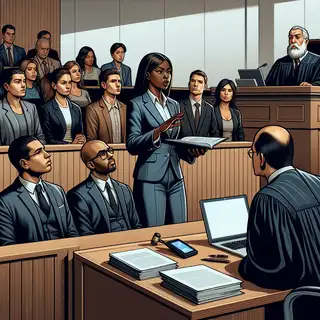
During a hearing on the motion, the court reviewed testimony from Velez and body camera footage from the incident. The judge raised questions about whether the officer had a legal basis for entering Beasley's garage without a warrant. The State conceded that the Community Caretaker Doctrine, which sometimes allows police to enter homes without a warrant in emergencies, did not apply in this case.
The court ultimately ruled that Velez's entry into Beasley's garage was not legally justified. The judge referenced the Fourth Amendment, which protects citizens from unreasonable searches and seizures, emphasizing that warrantless entries into homes are generally prohibited unless there are exigent circumstances. The court stated, "The failure by law enforcement to secure a warrant when they had sufficient time to do so mandates a finding that the search and seizure was unlawful." This ruling granted Beasley's motion to suppress all evidence obtained after Velez's entry into her garage.
The impact of this ruling extends beyond Beasley's case. It reinforces the necessity for law enforcement to obtain warrants before entering private residences unless there are clear and compelling reasons to do otherwise. The decision aligns with previous rulings that emphasize the importance of protecting citizens' rights against arbitrary government actions.
This ruling may set a precedent for similar cases in the future, as it underscores the importance of adhering to constitutional protections. It serves as a reminder that law enforcement must respect individuals' rights, particularly when it comes to entering private homes.
Moving forward, the State may consider appealing the decision, although details about any potential appeal were not available in the court filing. The outcome of this case could influence future law enforcement practices and the legal standards applied in DUI cases and other criminal matters involving private residences.