











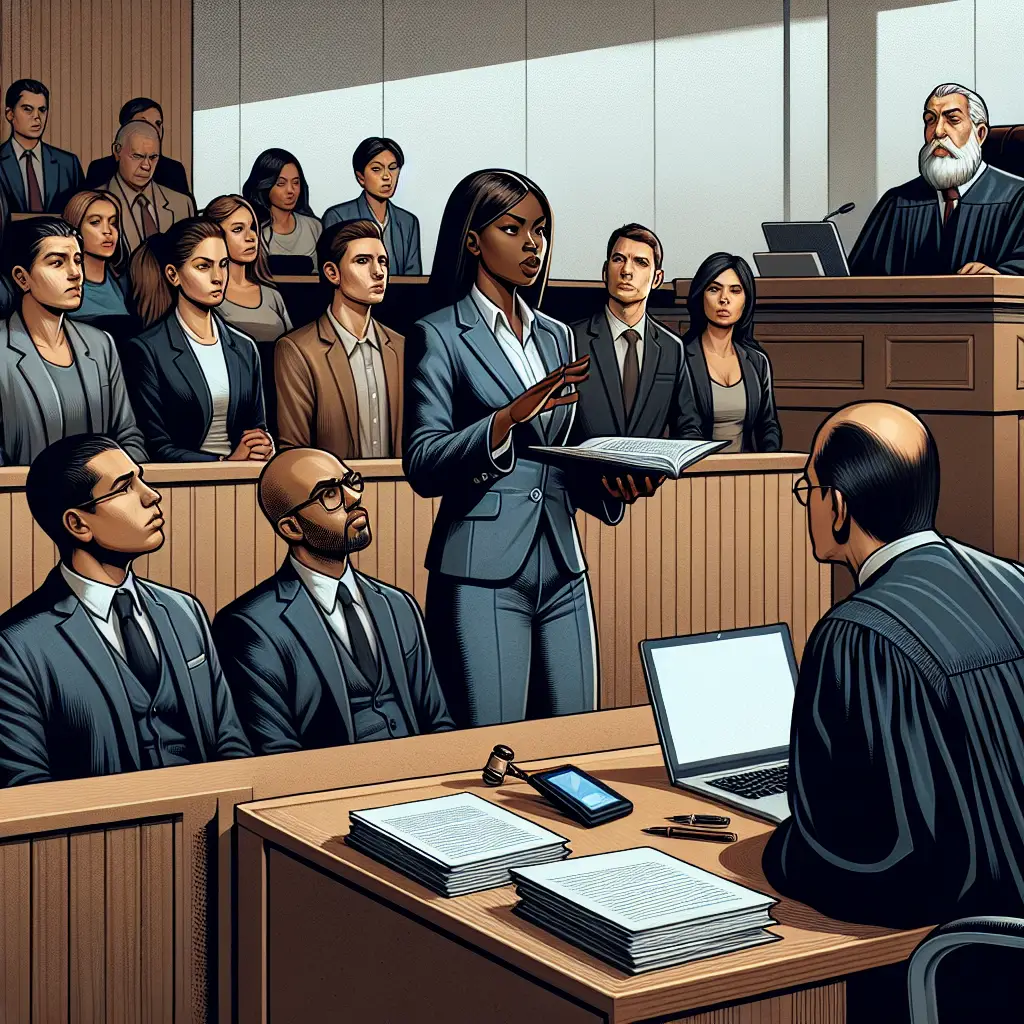
The Hawaii Supreme Court ruled on September 30, 2026, in the case of Navatek Capital Inc. v. Martin Kao, affirming the validity of an arbitration award against Kao. This decision affects the ongoing legal dispute between Navatek Capital and its former CEO, Martin Kao, particularly in light of Kao's pending criminal charges. The ruling clarifies the standards for postponing arbitration proceedings and the awarding of punitive damages.
This case is significant as it sets a precedent for how courts in Hawaii will handle requests to vacate arbitration awards, especially when a party claims their rights are prejudiced due to concurrent criminal proceedings.
Background
Navatek Capital Inc. (NCI) is a company that was founded by Steven Loui in 1979, primarily dealing with government contracts related to defense research. Martin Kao joined the company as Chief Financial Officer in 2008 and later became its Chief Executive Officer in 2012. In 2019, Loui transferred a majority interest in the company to Kao, who subsequently mismanaged funds, leading to allegations of fraud.
In November 2020, following the discovery of Kao's fraudulent activities involving over $12 million in Paycheck Protection Program funds, NCI filed a civil complaint against him in the Circuit Court of the First Circuit. The complaint sought damages for breach of fiduciary duty, fraud, and gross negligence. After a series of legal maneuvers, including a motion to compel arbitration, the parties agreed to resolve their disputes through arbitration.
The arbitration proceedings began in 2021, during which Kao faced federal criminal charges for bank fraud and money laundering. Despite requesting a stay of the arbitration due to these charges, the arbitrator denied his motion, leading to the final arbitration award in November 2021, which included significant punitive damages against Kao.
The Ruling
The Hawaii Supreme Court affirmed the Intermediate Court of Appeals’ decision, which had upheld the arbitration award. The court ruled that the arbitrator did not err in denying Kao's motion to postpone the arbitration proceedings. The court stated, "sufficient cause for postponement was still lacking under the circumstances," thus validating the arbitrator's decision to proceed with the hearing despite Kao's criminal charges.
The justices, led by Acting Chief Justice McKenna, clarified that the test for determining whether to postpone arbitration should not solely rely on federal standards. Instead, they established a new set of factors based on Hawaii's constitutional principles, which provide greater protections for defendants. The court emphasized that the risk of self-incrimination must be concrete and imminent, and that any delay must not unduly prejudice the parties involved.
Impact
This ruling has significant implications for future arbitration cases in Hawaii. By establishing a new standard for evaluating requests to postpone arbitration due to pending criminal charges, the court has reinforced the importance of timely resolution in arbitration proceedings. This decision may encourage parties to resolve disputes more efficiently, knowing that courts will uphold arbitration awards unless there is a compelling reason to vacate them.
The ruling also affirms the arbitrator's authority to award punitive damages, which could deter fraudulent behavior in business practices. The court's decision to uphold the punitive damages awarded against Kao underscores the seriousness of his actions and the court's commitment to holding individuals accountable for misconduct.
What's Next
While the Hawaii Supreme Court's ruling is final regarding the arbitration award, Kao may still face the criminal charges against him in federal court. The ruling does not prevent him from pursuing further legal avenues related to his criminal case, but it does solidify the outcome of the arbitration proceedings. Details were not available in the court filing regarding any related cases pending.