










The Iowa Court of Appeals recently ruled in a case involving property abandonment that could have significant implications for homeowners. The court reversed a lower court's decision that had declared a property owned by Zachary Molyneux abandoned, affecting his estranged wife, Jamie Molyneux. This ruling is important because it highlights the legal definitions of property abandonment and the rights of homeowners in such situations.
The case, City of What Cheer, Iowa v. Jamie Sue Molyneux, was filed on August 19, 2026, under docket number 25-1080. The dispute centers around a property located at 501 West Section Street in What Cheer, Iowa, which had been the family home for Jamie, Zachary, and their children for about ten years. The case escalated after complaints about the property's condition led to legal action from the City of What Cheer.
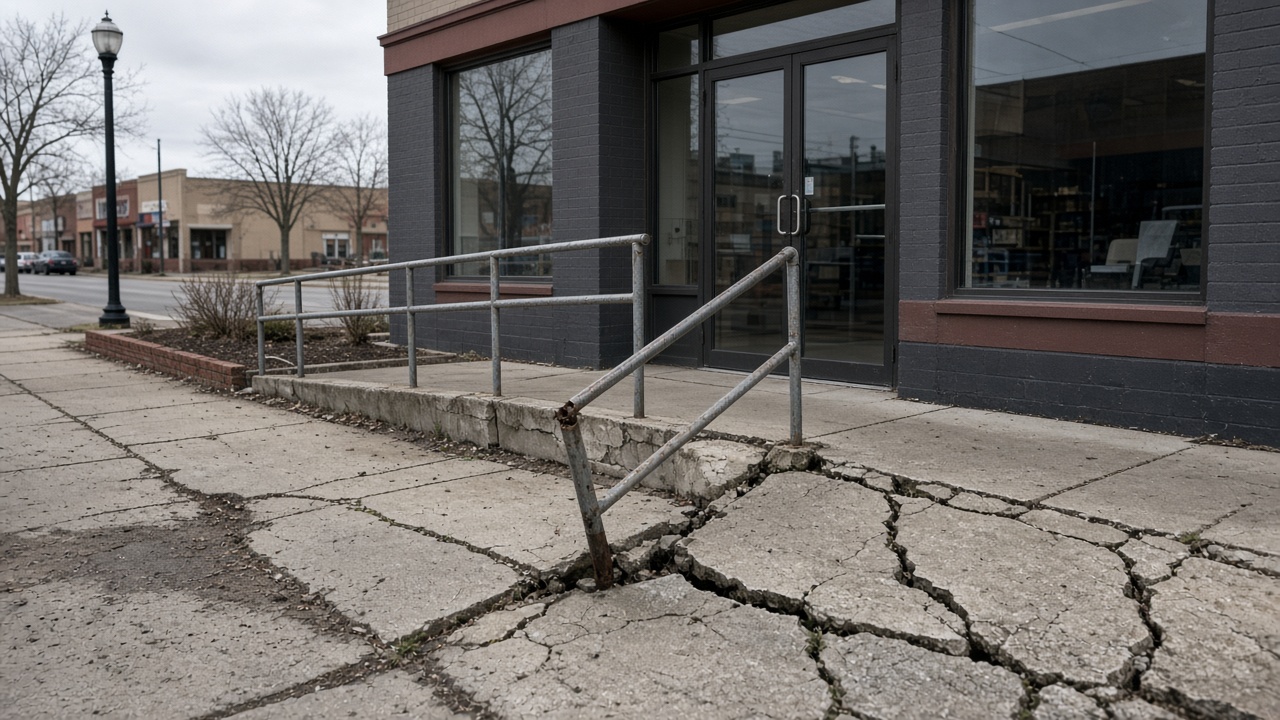
The issues began in the fall of 2022 when a neighbor reported that the property’s septic system was discharging raw sewage into a nearby ditch. The property was described as being in poor condition, with overgrown vegetation and trash. The city’s sanitarian, Eric Dursky, inspected the property and found that the septic system was outdated and illegal. He initially suggested connecting the property to the city’s sewer system, which would have been costly for the city. Instead, he worked with Zachary to design a new septic system.
Despite some efforts to improve the property, including a survey and plans for a new septic system, the situation did not improve. Complaints continued to pour in about the unsightly condition of the property. The Molyneux family had also failed to pay their water bills, leading the city to shut off their water service. As a result, the City of What Cheer petitioned for a permanent injunction to prevent the Molyneux family from using the property as a residence until the septic issues were resolved. In January 2024, the court granted a default judgment against the couple.
By mid-2024, Jamie had moved out of the home, while Zachary remained, although he was also reportedly staying with a girlfriend in Minnesota. The City filed a petition on July 31, 2024, claiming the property was abandoned under Iowa law, which defines abandonment as a property being vacant or occupied solely by trespassers for a certain period.
Jamie Molyneux contested the city’s claims, arguing that the property was not abandoned because Zachary had lived there in the six months leading up to the city’s petition. The district court initially sided with the City, concluding that the Molyneux family had vacated the property more than six months before the petition was filed.
However, the Court of Appeals reviewed the case and found that the evidence did not support the lower court's conclusion. The court noted that Jamie testified that Zachary was living at the property until May or June of 2024, and this was corroborated by the mayor of What Cheer. The court pointed out that the city clerk's testimony was unclear and did not definitively establish that the property was vacant for the required six months.
In its ruling, the court stated, "Given our conclusion that the City failed to prove the property was vacant for six consecutive months before the petition was filed, we need not reach Jamie’s alternative argument that the court erred in finding the property was abandoned under the factors in section 657A.10B(4)." The court ultimately reversed the district court’s ruling and instructed the lower court to dismiss the city’s petition and return the title of the property to Zachary Molyneux.
This ruling has significant implications for homeowners facing similar situations. It underscores the importance of clear evidence in cases of property abandonment and the legal protections available to homeowners. The decision could set a precedent for how abandonment cases are handled in Iowa, particularly regarding the definition of occupancy and the evidence required to prove abandonment.
Looking ahead, it remains to be seen whether the City of What Cheer will seek to appeal this ruling. If they choose to do so, the case could continue to evolve through the court system. Meanwhile, the Molyneux family may have a chance to reclaim their home and address the property issues that led to this legal battle.