





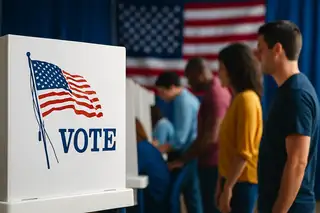





The Minnesota Supreme Court recently ruled on a significant case regarding absentee voting laws. The decision, filed on August 12, 2026, affects how voters in Minnesota, particularly unregistered and registered absentee voters, can cast their ballots. The court upheld the state's witness certification requirement, which mandates that voters secure the certification of a witness to cast an absentee ballot. This ruling is crucial as it clarifies the legal framework surrounding absentee voting in Minnesota and its compliance with federal laws.
The case, Minnesota Alliance for Retired Americans Educational Fund v. Steve Simon (Docket No. A24-1134), was brought by the Minnesota Alliance for Retired Americans Educational Fund and two individual voters, Teresa Maples and Khalid Mohamed. They challenged the state's absentee voting laws, claiming that the witness certification requirement violated the Voting Rights Act and the Civil Rights Act. The plaintiffs argued that this requirement imposed an unnecessary burden on voters, particularly those who were unregistered.
The dispute began when the Minnesota Secretary of State, Steve Simon, moved to dismiss the lawsuit, arguing that the plaintiffs failed to state a valid claim. The district court initially denied this motion, leading to an appeal by Simon. The Minnesota Court of Appeals later reversed the district court's decision, ruling that the witness certification requirement did not violate federal law. The case was then taken up by the Minnesota Supreme Court for further review.
In its ruling, the Minnesota Supreme Court affirmed the Court of Appeals' decision. The court held that Minnesota's witness certification requirement for unregistered absentee voters does not violate the Voting Rights Act. Chief Justice Hudson stated, "Minnesota’s witness certification requirement for unregistered absentee voters does not require those voters to prove their qualifications by the voucher of another, and thus there is no Voting Rights Act violation." Additionally, the court found that the certifications for registered absentee voters do not constitute a violation of the Civil Rights Act, as they are not papers related to an act requisite to voting.
The ruling clarified that the witness certification does not impose a burden on voters that would violate their rights under federal law. The court emphasized that the witness is not required to verify the eligibility of the voter but merely to attest to the conduct of the voting process, such as confirming that the voter displayed a residency document. This distinction is critical as it means that the witness certification does not act as a barrier to voting.
The implications of this ruling are significant for Minnesota voters. It ensures that the current absentee voting process remains intact, allowing voters to cast their ballots while adhering to the established witness certification requirements. This decision reinforces the state's commitment to maintaining the integrity of the voting process while ensuring that voters have the opportunity to participate in elections.
Moving forward, this ruling sets a precedent for how absentee voting laws are interpreted in Minnesota. It clarifies that witness certifications are not considered a form of vouching that would violate the Voting Rights Act. This could influence future cases related to voting rights and absentee ballots, as it establishes a clear legal standard regarding witness requirements.
As for what’s next, there is the possibility of further appeals, although the Supreme Court's ruling is typically final unless there are grounds for a federal appeal. There are no related cases currently pending that directly challenge this ruling, but the legal landscape surrounding voting rights continues to evolve, and similar issues may arise in the future.