











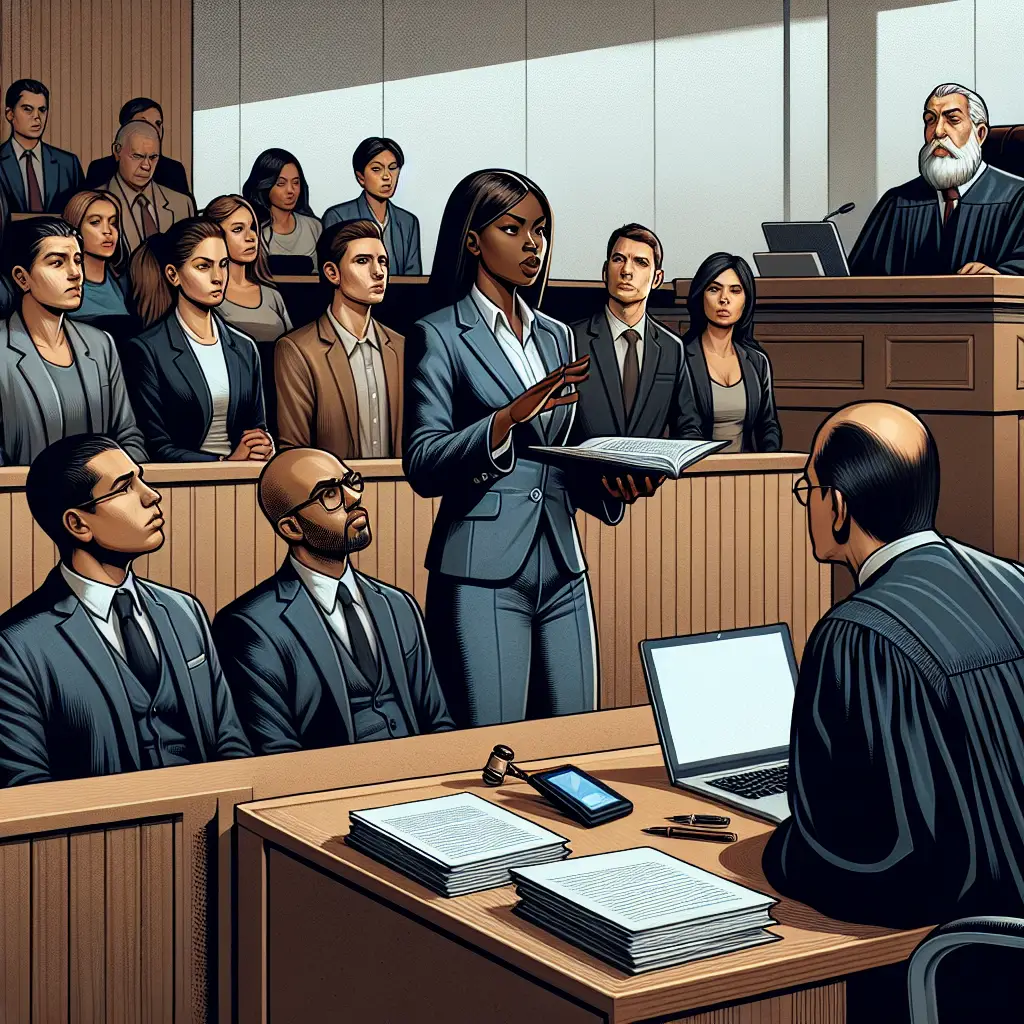
The New York Court of Appeals recently ruled on a significant case regarding speedy trial rights, affirming a lower court's decision to dismiss an indictment against Kyle D. Ernst. The ruling, issued on November 24, 2026, centers on the interpretation of the state's speedy trial laws and the obligations of prosecutors regarding discovery. This decision impacts not only Ernst but also sets a precedent for how similar cases will be handled in the future.
In the case, the court found that the prosecution failed to meet its statutory obligations to provide discovery materials, which ultimately led to a violation of Ernst's right to a speedy trial. The ruling emphasizes the importance of timely compliance with discovery requirements and the implications of delays in the judicial process.
Background
The parties involved in this case are the People of the State of New York, represented by the prosecution, and Kyle D. Ernst, the defendant. Ernst was indicted on January 13, 2023, facing several charges. The prosecution filed a certificate of compliance (COC) and a statement of readiness (SOR) on February 17, 2023. However, the case took a turn when Ernst filed an omnibus motion on April 25, 2023, which included requests for various forms of evidence and relief.
As the case progressed, the court scheduled a hearing for August 14, 2023, to address some of the issues raised in Ernst's motion. During this hearing, the court denied some of the relief requested by Ernst but also noted that certain issues remained unresolved. The parties agreed to work on these issues without further court intervention, which became a critical point in the court's ruling.
The Ruling
The New York Court of Appeals, led by Judge Singas, ultimately affirmed the lower court's decision to dismiss the indictment against Ernst. The court ruled that the prosecution's failure to provide required discovery materials invalidated their certificate of compliance and statement of readiness. As a result, the court concluded that the prosecution was not ready for trial within the statutory period mandated by law.
The court stated, "the People failed to exercise due diligence in complying with their automatic discovery obligations, rendering their accompanying SOR illusory."
Furthermore, the court clarified that the time period following the August 17, 2023, order was not excludable under the speedy trial statute. The ruling emphasized that the parties had agreed to forgo judicial consideration of the remaining issues in Ernst's omnibus motion, meaning those issues were no longer "under consideration by the court." This interpretation of the law played a crucial role in the dismissal of the indictment.
Impact
This ruling has significant implications for future criminal cases in New York. It reinforces the importance of timely compliance with discovery obligations by the prosecution. Failure to adhere to these obligations can result in severe consequences, including the dismissal of charges. The court's decision emphasizes that the prosecution bears the burden of proving that any delays in the trial process are justifiable and that they have met their statutory requirements.
Additionally, the ruling sets a precedent for how courts will interpret the language of the speedy trial statute, particularly regarding what constitutes a motion being "under consideration." This clarification may influence how defense attorneys approach cases involving discovery disputes and how prosecutors manage their obligations in future cases.
What's Next
The prosecution has the option to appeal this ruling, as a dissenting justice granted them leave to do so. However, the outcome of any potential appeal remains uncertain. This case could also influence related cases pending in the courts, as the interpretation of speedy trial laws continues to evolve in New York.
Read Next
 New York court affirms father's child support violation ruling
 Court denies mother's request to increase child support payments
 Court rules on defamation case involving medical practice review
 Nevada court affirms denial of Billy Ray Riley's appeal
 Ninth Circuit stays disqualification of U.S. Attorney's aide
 Kansas court reinstates product liability case against Regal Hardwoods