











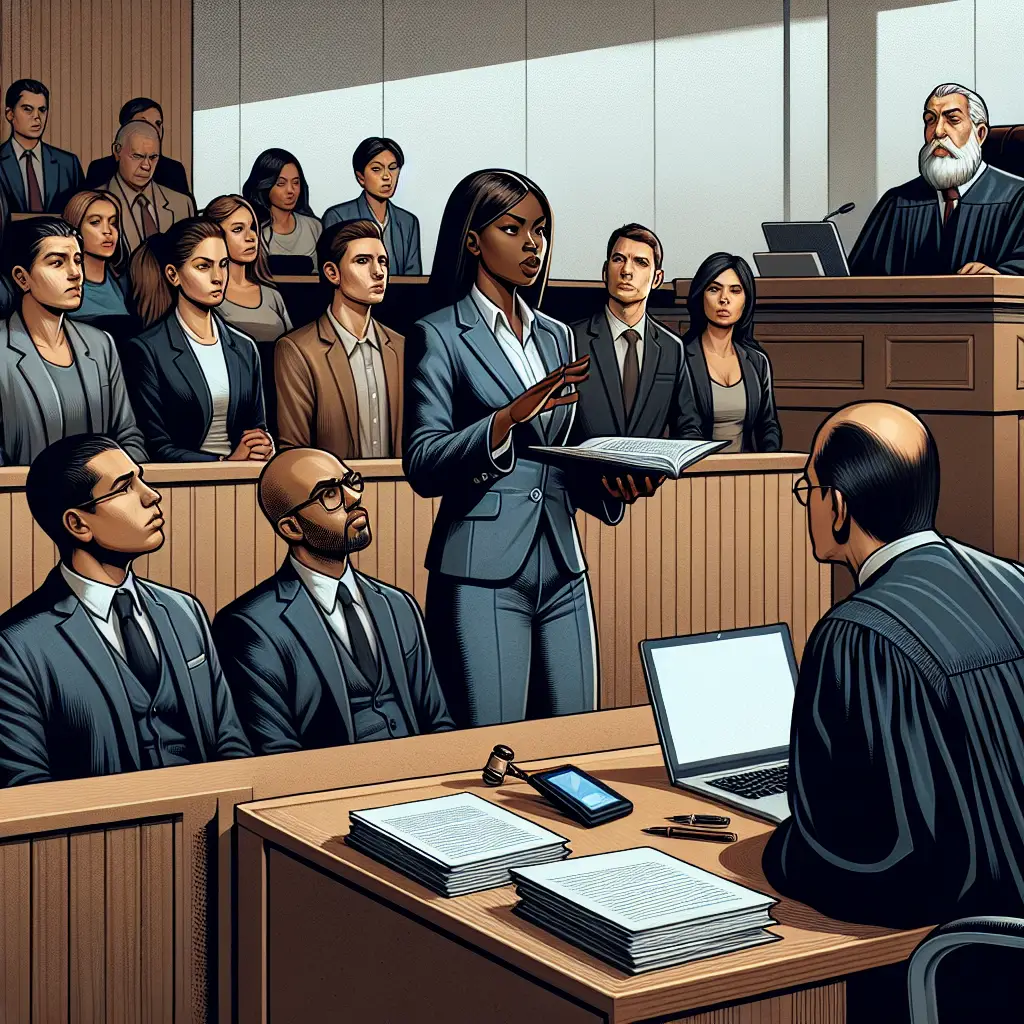
The Oklahoma Supreme Court has decided to raise the cut score for the upcoming NextGen Uniform Bar Examination (NextGen UBE). This change affects all future applicants seeking admission to the Oklahoma Bar. The new cut score will be set at 616, up from the previous score of 260 for the Legacy UBE. This decision has sparked debate among justices and legal educators about its implications for aspiring lawyers in the state.
The ruling, filed under docket number SCAD-2026-113 on November 23, 2026, will take effect on July 1, 2026. The court's decision is significant as it alters the requirements for bar admission, which could impact the number of individuals able to practice law in Oklahoma. The change comes as the state prepares to transition from the Legacy UBE to the NextGen UBE, which is designed to better assess the practical skills of law graduates.
The parties involved in this case include the Supreme Court of Oklahoma and the Board of Bar Examiners, which oversees the admission process for new lawyers in the state. The dispute centers on the appropriate cut score for the NextGen UBE, which has not yet been administered in Oklahoma. The court's decision to increase the cut score has raised concerns among dissenting justices and legal educators about the timing and rationale behind this change.
In its ruling, the court stated, "All applicants for admission by examination who score at least a 616 on the NextGen UBE... shall be recommended by the Board of Bar Examiners for admission to the practice of law in this state." This marks a significant increase in the minimum score required for bar admission, raising questions about accessibility for future lawyers.
The ruling was supported by Chief Justice Rowe and Justices Kuehn, Winchester, Darby, and Jett. However, Justices Edmondson, Combs, Gurich, and Kane dissented, expressing concerns about the lack of data regarding the NextGen UBE's effectiveness and the potential for decreased access to the legal profession in Oklahoma. Justice Combs noted, "What is the rush to increase our cut score? Why not wait until the NextGen UBE is offered in more states, including Oklahoma, so that additional data on applicant performance is available?"
The dissenting justices argued that raising the cut score could make it more difficult for applicants to gain admission to the bar, especially considering that Oklahoma's first NextGen UBE will not be administered until July 2027. They emphasized the importance of waiting for performance data from other jurisdictions before making such a significant change.
The impact of this ruling is expected to be profound. By raising the cut score to 616, the Oklahoma Supreme Court is setting a higher standard for bar admission, which may lead to a decrease in the number of new lawyers entering the profession. This change could disproportionately affect individuals from diverse backgrounds and those who may struggle to meet the new requirements.
Legal educators and law school deans in Oklahoma have expressed their concerns about the implications of the increased cut score. They argue that maintaining a lower cut score would better serve the state's need for lawyers, particularly in rural areas where access to legal services is already limited. The dissenting opinions highlighted the potential negative consequences of the court's decision, with Justice Gurich stating, "I caution the Court against setting the initial NextGen cut score too high."
The court's ruling may also set a precedent for other states considering similar transitions to the NextGen UBE. As more jurisdictions adopt this new examination format, the Oklahoma Supreme Court's decision could influence how other states determine their own cut scores and admission standards.
Looking ahead, the possibility of an appeal remains uncertain. The court's decision to raise the cut score is final unless challenged or modified in future rulings. Additionally, there are no related cases pending at this time that would directly address the cut score issue. However, as the legal community in Oklahoma prepares for the transition to the NextGen UBE, ongoing discussions about bar admission standards and accessibility are likely to continue.
Read Next
 Oklahoma Supreme Court Strikes Down Controversial Petition Law
 Oklahoma Supreme Court suspends attorney for violence threat
 Oklahoma Supreme Court Reverses Dismissal in Cattle Dispute Case
 California Court affirms attorney fees in neighbor dispute
 Court affirms dismissal of Bacon v. Princess Cruise Lines
 Court Affirms U.C. Davis Verdict in Retaliation Case