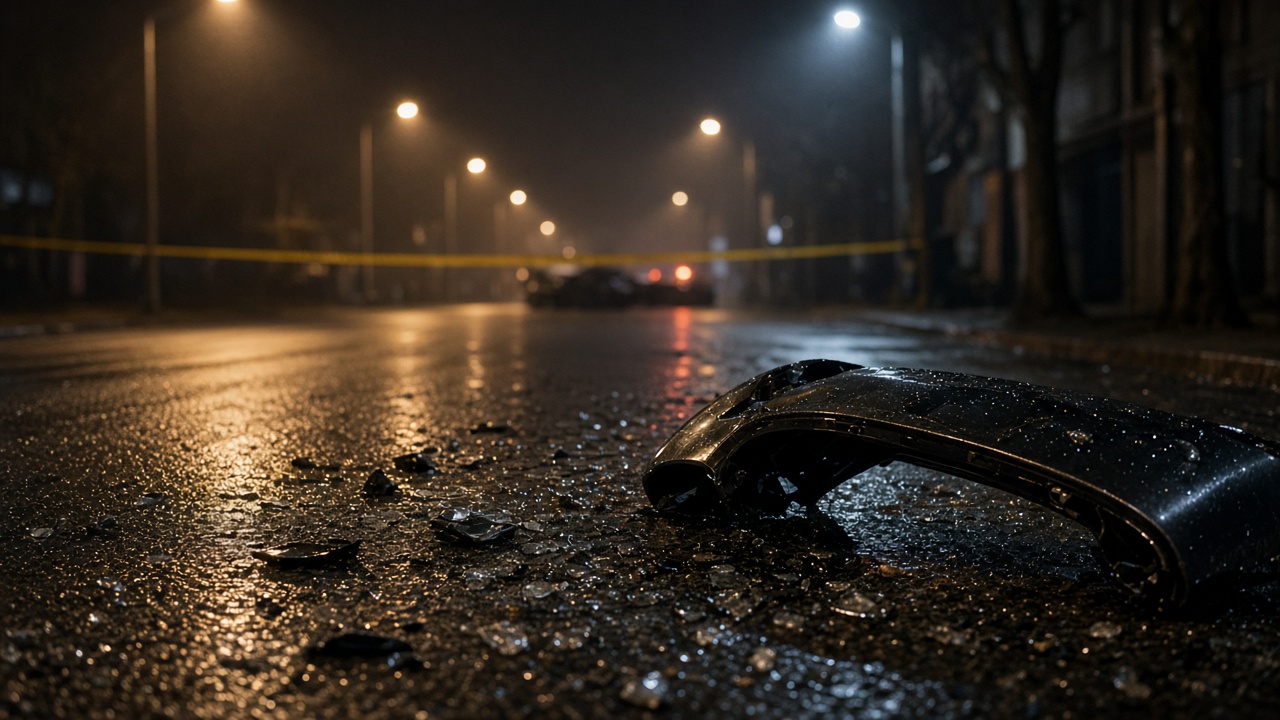











A Texas court has upheld a summary judgment in a wrongful death case involving a tragic accident where a vehicle collided with a cow on a highway. The ruling affects the estate of Brianna Surrento, who died in the incident, and clarifies the legal responsibilities of livestock owners in Texas.
The case, Michael Surrento, Individually and as Administrator of the Estate of Brianna Surrento v. Cactus Growers, Inc.; James and Dorothy Doss Foundation, Inc.; Jeffrey D. Carlisle; and Jackie Warren, was filed in the Texas Court of Appeals, 11th District (Eastland) under docket number 11-23-00253-CV. The court's opinion was issued on August 27, 2026, following a summary judgment granted by the trial court.
The dispute arose after Brianna Surrento's vehicle struck a cow while she was driving on U.S. Highway 180. Michael Surrento, Brianna's father, brought a lawsuit against several parties, including Cactus Growers, Inc., the Doss Foundation, and individuals associated with the ranch where the cattle were kept. He claimed gross negligence and statutory liability under Texas law regarding livestock management.
The accident occurred near the Doss Ranch, which is owned by the Doss Foundation and was leased to Jackie Warren. Warren had a grazing agreement with Jeffrey D. Carlisle, who managed a herd of cattle for Cactus Growers. The ranch was divided by County Road 135, with U.S. Highway 180 running along its southern border. The court noted that there were cattle guards maintained by Gaines County to prevent livestock from wandering onto the highway.
On the day of the accident, a cow was found outside the fence by law enforcement, and after attempts to secure it, another report indicated two cows were on the highway just before the collision occurred. Brianna Surrento was traveling home when her vehicle struck one of the cows, leading to her death.
Michael Surrento challenged the trial court's decision to grant summary judgment in favor of the defendants on several grounds. The court ruled that the trial court did not err in excluding certain expert reports that Michael attempted to introduce, as they were not disclosed in accordance with Texas discovery rules. The court stated, "The evidentiary exclusion imposed by Rule 193.6 also applies to summary judgment proceedings."
Furthermore, the court found that Michael did not provide sufficient evidence to establish that the defendants had knowingly permitted the cow to roam at large on the highway, which is a necessary element for liability under Texas law. The court explained that liability under Section 143.102 of the Texas Agriculture Code requires proof that a livestock owner knowingly allowed their animals to escape, which was not demonstrated in this case.
The court stated, "There is no evidence that Carlisle knowingly permitted a cow within his control to roam at large. Accordingly, the trial court did not err in granting Carlisle’s no-evidence motion for summary judgment." This ruling was consistent for all defendants involved in the case.
This decision has significant implications for livestock owners and their responsibilities in Texas. It clarifies that mere oversight or negligence is not enough to establish liability when livestock escape onto highways. The court emphasized that proving liability requires showing that the owner knowingly allowed the animals to roam freely, which is a high standard to meet.
Going forward, this ruling may affect how livestock owners manage their herds and their legal obligations to prevent animals from wandering onto roadways. The decision reinforces the legal protections that livestock owners have under Texas law, potentially limiting their liability in similar cases.
Michael Surrento can appeal this decision to the Texas Supreme Court if he chooses. However, the court's ruling sets a precedent that may be difficult to overcome, given the stringent requirements for proving liability under the relevant statutes.