

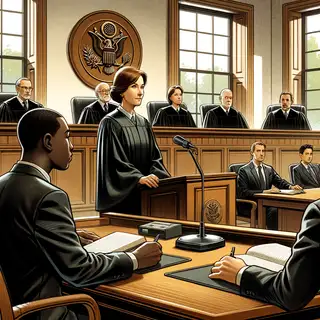










A Florida court recently ruled on a significant case involving a recall petition against Arthur Czyszczon, a City Commissioner in Treasure Island. The District Court of Appeal of Florida, in its decision on August 26, 2026, reversed a lower court's ruling that had denied Czyszczon's request for a temporary injunction against the recall election. This ruling affects not only Czyszczon but also the local governance in Treasure Island, highlighting the legal requirements for recall petitions.
The case, identified as Czyszczon v. City of Treasure Island (Docket No. 2D2026-0389), arose after a recall petition was initiated against Czyszczon in December 2025. The petition claimed he misused a city-issued cell phone to send inappropriate text messages to a constituent. Czyszczon argued that the petition did not comply with Florida's recall laws, specifically section 100.361, which outlines strict requirements for such petitions.
In the appeal, Czyszczon sought a declaratory judgment that the recall petition was invalid and requested an injunction to stop the election. He contended that the petition failed to meet the legal standards, including the requirement to identify the chair of the recall committee. The trial court initially ruled that the petition had substantially complied with the law, leading to Czyszczon's appeal.
The court's ruling addressed the main issues surrounding the validity of the recall petition. The judges concluded that the trial court had erred in its decision. They stated, "We conclude that the trial court erred in denying Czyszczon temporary injunctive relief because strict compliance with section 100.361 was required." This ruling emphasized that the petition did not meet the necessary legal standards, as it failed to designate a specific person as the chair of the recall committee, which is a requirement under the law.
The judges, including Rothstein-Youakim, Silberman, and Black, pointed out that the failure to strictly comply with section 100.361 invalidated the recall petition. They noted that the original petition did not identify the chair, which is crucial for voters to understand who is leading the recall effort. The court's decision reversed the lower court's ruling and mandated further proceedings to address the issues raised in Czyszczon's complaint.
This ruling has significant implications for the future of recall elections in Florida. It reinforces the importance of adhering to legal standards when initiating a recall petition. Local officials and residents in Treasure Island will be affected, as the ruling halts the recall election process until the court can determine the validity of the petition according to the law.
The court's decision also sets a precedent for future cases involving recall petitions in Florida. By emphasizing the need for strict compliance with the statutory requirements, the ruling may deter future attempts at initiating recall elections without proper adherence to legal standards. This case highlights the balance between the right of citizens to recall elected officials and the need for clear legal guidelines to ensure fair processes.
Looking ahead, it is unclear whether the decision can be appealed further. The ruling from the District Court of Appeal is significant, but there may be further legal actions taken by either party. The case underscores the ongoing legal complexities surrounding recall elections and the responsibilities of elected officials.