











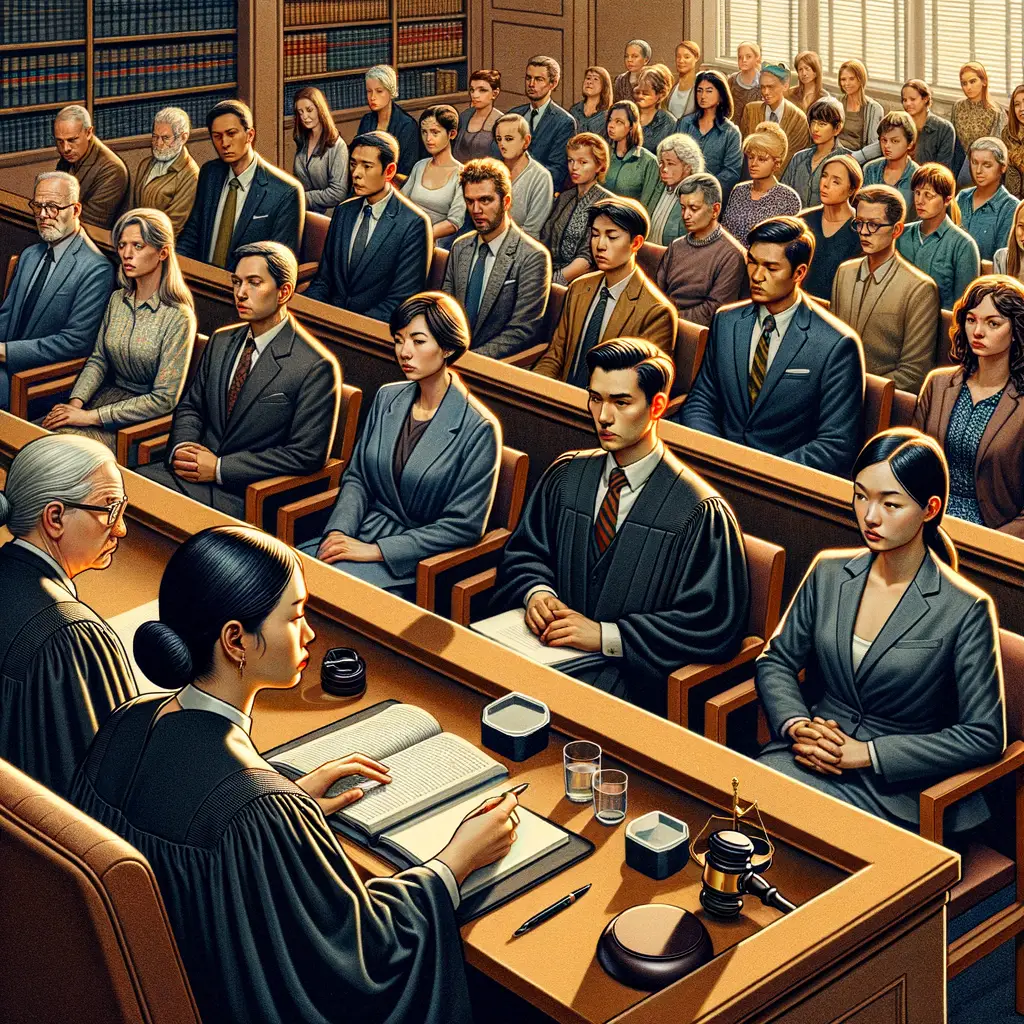
The Hawaii Supreme Court has denied a motion for reconsideration in the case of Cushnie v. Nago, affecting how future elections will be conducted in the state. The court's decision means that the petitioners, who sought changes to election procedures, will not receive the prospective relief they requested for the upcoming 2026 elections. This ruling is significant for voters and election officials in Hawaii as it clarifies the court's stance on the enforcement of election laws.
The case involves petitioners Ralph S. Cushnie, Tara Malia Gregory, and Douglas W. Pasnik, who filed a petition against Scott T. Nago, the Chief Election Officer of Hawaii, and the Hawaii Elections Commission. The petitioners aimed to secure changes to election procedures, arguing that the current system needed reform to ensure fair and efficient elections. Their request was focused on prospective enforcement, meaning they wanted the changes to apply to future elections rather than past ones.
The dispute reached the Hawaii Supreme Court after the petitioners filed for a writ of mandamus, which is a court order compelling a government official to act in accordance with the law. The petitioners emphasized the urgency of their request, seeking expedited consideration as the 2026 election approached. However, the court ruled against them, stating that their assertions lacked merit and that the petition was indeed about prospective relief.
On July 2, 2026, the Hawaii Supreme Court issued an order denying the motion for reconsideration. The court's ruling was delivered by Chief Justice Vladimir P. Devens and Justices Sabrina S. McKenna, Todd W. Eddins, Lisa M. Ginoza, and Circuit Judge Peter T. Cahill, who was assigned to the case due to a vacancy. In their opinion, the justices stated, "This court has not overlooked or misapprehended points of law or fact." This indicates that the court felt confident in its previous ruling and did not find any reason to change its decision.
The court's denial of the motion for reconsideration means that the petitioners will not receive the changes they sought for the upcoming election cycle. This decision could have lasting implications for how elections are conducted in Hawaii, as it may discourage similar future petitions for changes to election procedures. The court's emphasis on the lack of merit in the petitioners' claims suggests a strong stance on maintaining the current election framework.
The impact of this ruling extends beyond the immediate case. It signals to voters and election officials that the Hawaii Supreme Court is not inclined to make significant changes to election procedures without compelling evidence or legal justification. This ruling may affect how other groups approach the court in the future when seeking changes to election laws or practices.
Looking ahead, the petitioners may consider their options for appeal, although the court's ruling appears to be final in this instance. The court filing did not provide details about any potential related cases that may arise from this decision. However, the outcome of this case could influence future legal challenges regarding election procedures in Hawaii.