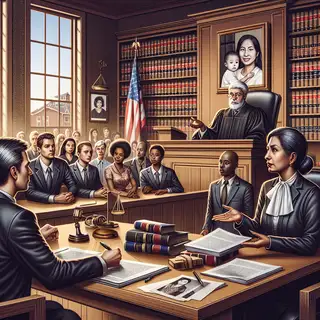











The United States Court of Appeals for the First Circuit has upheld a jury's ruling in favor of the City of Springfield and its Fire Department in a discrimination case filed by two Black firefighters. Captain Marc Savage and Lieutenant Randolph Blake alleged racial and religious discrimination, retaliation, and a hostile work environment. The court's decision affirms the jury's verdict and addresses several procedural issues raised by the plaintiffs.
The case, Savage v. City of Springfield, was originally filed in 2018, and the plaintiffs claimed that they faced ongoing harassment because of their race and religion. The court's ruling is significant as it highlights the challenges faced by employees who allege discrimination and the legal standards that govern such cases.
Background
Marc Savage and Randolph Blake are both Black firefighters with the Springfield Fire Department (SFD) in Massachusetts. They filed their complaint against the City of Springfield, the SFD, and former and current Fire Commissioners Joseph Conant and Bernard Calvi. The plaintiffs claimed that they endured a hostile work environment and faced discriminatory practices in hiring and promotions.
The dispute began when Savage alleged that he was subjected to racial bias during a promotional examination for Deputy Fire Chief in 2014. Savage claimed that the exam results were invalidated after he was the only eligible candidate, a decision he argued was racially motivated. Blake also alleged discrimination, claiming he was passed over for promotions in favor of white candidates who did not meet the same requirements.
The case reached the First Circuit after the defendants prevailed at trial. Savage and Blake appealed, arguing that the district court made several errors that misled the jury. They claimed that the court failed to properly address jury questions and did not provide adequate instructions regarding the evidence presented.
The Ruling
The First Circuit, composed of Judges Montecalvo, Lipez, and Aframe, affirmed the jury's verdict in favor of the defendants. The court found no errors in the district court's handling of the trial and jury instructions. In the opinion, Judge Lipez stated, "We find no merit in the plaintiffs' claims of judicial error that would warrant overturning the jury’s verdict." The court addressed specific allegations made by the plaintiffs regarding the jury's inquiries and the admission of evidence.
One of the key issues was whether the district court should have answered a question from the jury about the timing of Blake's promotion eligibility. The court decided not to provide a substantive answer, instructing the jury to rely on their collective memory. The First Circuit found this decision reasonable, noting that the jury had been advised they could not have a transcript of the trial.
Additionally, the court addressed the plaintiffs' concerns about the admission of decisions from the Massachusetts Civil Service Commission. The plaintiffs argued that these decisions should not have been considered by the jury as they did not pertain to the claims of discrimination or hostile work environment. The court ruled that the jury could take the decisions into account but clarified that it was ultimately up to them to determine whether the discipline was retaliatory.
Impact
The court's ruling reinforces the challenges faced by employees alleging discrimination in the workplace. It highlights the importance of procedural correctness in trials and the need for clear jury instructions. The decision also emphasizes that courts have discretion in how they respond to jury inquiries and the admission of evidence.
This ruling may have implications for future discrimination cases, particularly in how courts handle jury questions and the admissibility of evidence related to prior administrative decisions. It underscores the need for plaintiffs to carefully navigate the legal landscape when pursuing claims of discrimination and retaliation.
What's Next
Details were not available in the court filing regarding whether the plaintiffs plan to appeal this decision further. However, the ruling from the First Circuit is significant and may influence similar cases in the future.