









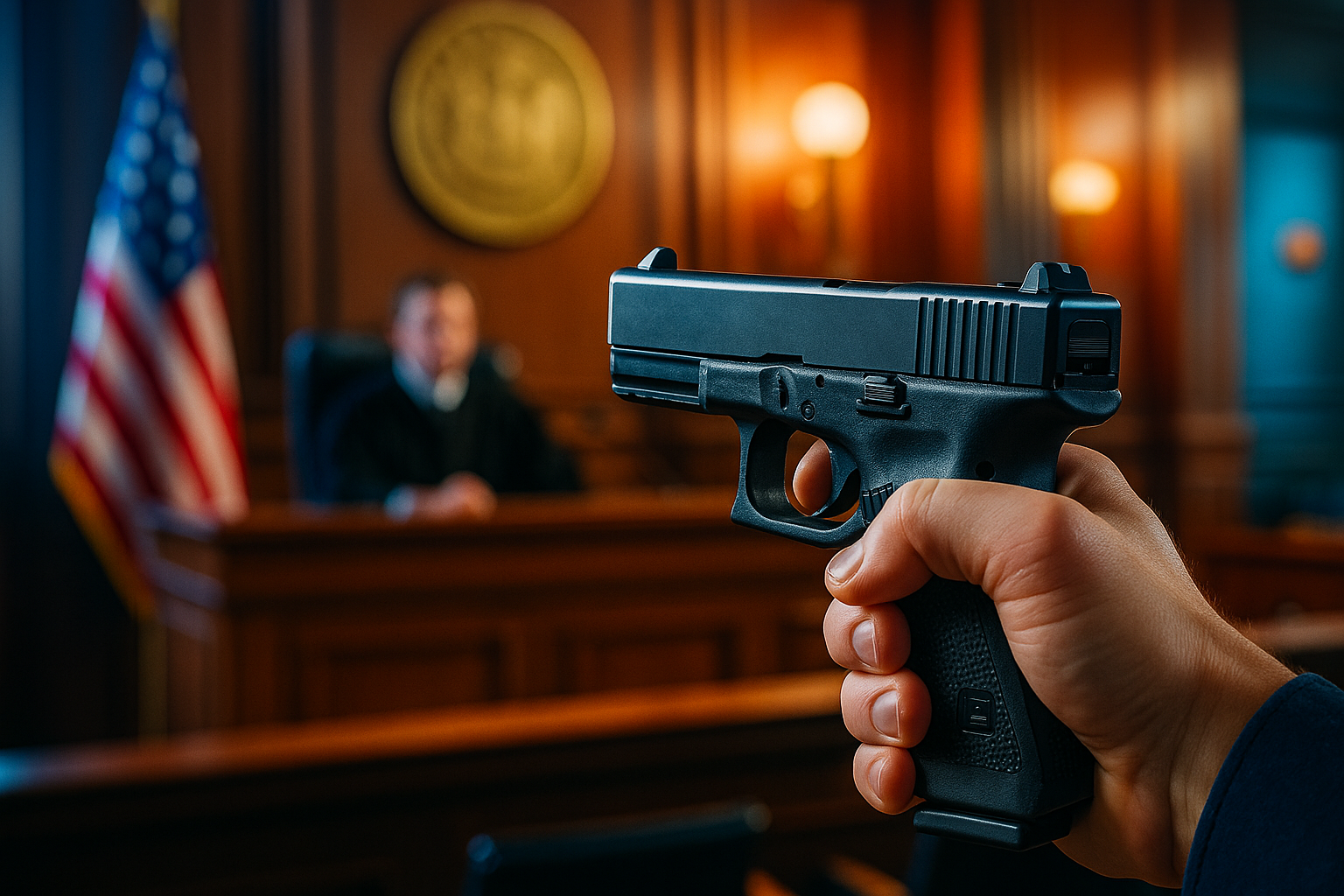


The Texas Court of Appeals has upheld the conviction of Devin Bussey for assaulting a family member, affirming his 15-year prison sentence. The decision, issued on May 27, 2026, comes after Bussey appealed his conviction, arguing that the trial court made several errors during the proceedings. This ruling reinforces the legal standards surrounding domestic violence cases in Texas.
The case centers on Bussey's assault of A.D., a former partner, which occurred on September 30, 2023. The court's decision affects Bussey, who is now facing a lengthy prison sentence, and highlights the judicial system's approach to addressing domestic violence. The ruling also emphasizes the importance of evidence admissibility and the rights of defendants during trials.
Bussey was convicted of assaulting A.D., with the jury finding him guilty of assaulting a family or household member with a previous conviction, a third-degree felony under Texas law. The trial court found the enhancement true, leading to Bussey's sentence of 15 years in prison. The case was initially tried in the 213th District Court of Tarrant County, Texas.
The dispute began when A.D. called 9-1-1 to report that Bussey had injured her after a violent altercation. During the trial, the prosecution presented evidence of a history of domestic violence between the two, including prior assaults and attempts to control A.D. through intimidation. Bussey's defense argued that A.D. initiated the violence during this incident.
The appeal raised multiple issues regarding the trial court's decisions, including the admission of hearsay evidence, the relevance of certain testimonies, and the violation of Bussey's rights. Specifically, Bussey claimed that the trial court allowed hearsay testimony that prejudiced his defense. He also argued that certain evidence was irrelevant and that witnesses were allowed to speculate about his actions and intentions.
The Texas Court of Appeals, led by Justice Rambin, ruled that the trial court did not abuse its discretion in admitting the evidence presented during the trial. The court stated, "The trial court did not abuse its discretion by overruling hearsay objections," affirming that the evidence of Bussey's prior behavior and the dynamics of the relationship were relevant to the jury's understanding of the case.
In its ruling, the court also addressed Bussey's claims regarding his Fifth Amendment rights, stating that the trial court did not violate his right to silence. The court noted that the testimony in question did not specifically reference Bussey's silence but rather discussed general behaviors of defendants in similar situations.
Furthermore, the court upheld the admission of the 9-1-1 call made by A.D. during the incident, ruling it as non-testimonial and relevant to the ongoing emergency at the time. The court emphasized that statements made in the context of emergency calls do not violate the Sixth Amendment's Confrontation Clause.
This ruling has significant implications for future domestic violence cases in Texas. It reinforces the importance of allowing juries to hear evidence regarding the history and dynamics of abusive relationships. Additionally, it clarifies the standards for admissibility of evidence related to hearsay and the rights of defendants during trial.
Looking ahead, it is unclear whether Bussey will pursue further appeals following this ruling. The Texas Court of Appeals has affirmed the lower court's decisions, leaving Bussey with limited options for contesting his conviction. The case highlights the ongoing challenges faced by victims of domestic violence and the complexities involved in prosecuting such cases.
In conclusion, the Texas Court of Appeals' decision to uphold Devin Bussey's conviction serves as a reminder of the judicial system's commitment to addressing domestic violence. The ruling not only affects Bussey but also sets a precedent for how similar cases may be handled in the future, ensuring that the voices of victims are heard and that justice is served.