









The Ninth Circuit Court of Appeals has vacated the conviction of Attila Colar, a defendant accused of defrauding the Paycheck Protection Program. The court ruled that Colar's rights were violated due to juror bias, leading to an unfair trial. This decision affects Colar, who now faces a new trial, and highlights the importance of impartial juries in the legal system.
Colar was convicted on 44 counts related to an alleged scheme involving fraudulent loan applications and obstruction of justice. The case has drawn attention not only for the nature of the charges but also for the implications it has on the rights of defendants in the judicial process.
Background
Attila Colar, also known by several aliases including Sharieff Dahood Bey, was involved in a legal dispute with the United States government. The case began when Colar was accused of using stolen identities to secure loans for a nonprofit organization he co-founded, which was meant to provide housing and support services. Prosecutors alleged that he submitted fraudulent loan applications to the Paycheck Protection Program (PPP) and engaged in efforts to obstruct the investigation against him.
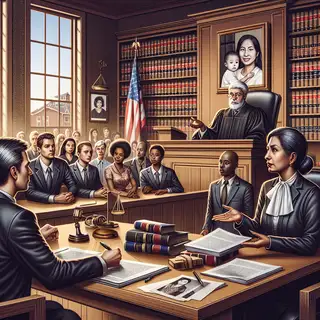
The case was brought before the United States District Court for the Northern District of California, where Colar represented himself with the help of standby counsel. During the trial, Colar maintained that law enforcement targeted him due to his race and religion, arguing that this bias influenced the prosecution's actions against him.
The Ruling
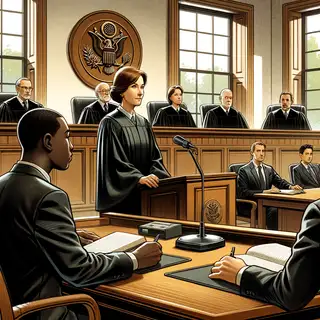
The Ninth Circuit Court, in its ruling filed on July 21, 2026, found that the district court had abused its discretion by failing to adequately investigate a juror's expressed bias against Colar. The court noted that during jury selection, an alternate juror openly stated his negative feelings about Colar's defense, which centered on claims of racial and religious discrimination.
The court ruled, "The juror’s statement raised a colorable issue of whether he was actually biased, and that the district court abused its discretion by failing to promptly investigate the juror."
As a result of these findings, the Ninth Circuit vacated Colar's conviction and ordered a new trial. The judges emphasized that the presence of even a single biased juror constitutes a structural error, which necessitates a reversal of the verdict.
Impact
This ruling has significant implications for Colar's future and for the legal system as a whole. It underscores the critical importance of ensuring that jurors remain impartial throughout a trial. The Ninth Circuit's decision serves as a reminder that courts must take juror bias claims seriously and investigate any potential issues thoroughly.
Colar's case illustrates the potential consequences of failing to address juror bias, which can lead to wrongful convictions and undermine public confidence in the judicial system. The ruling may also set a precedent for how courts handle similar cases involving claims of juror bias in the future.
What's Next
Colar will now face a new trial, where the issues of juror impartiality will likely be scrutinized closely. It remains to be seen whether the government will pursue the same charges against him or if there will be any changes to the prosecution's approach. Details about any related cases were not available in the court filing.