



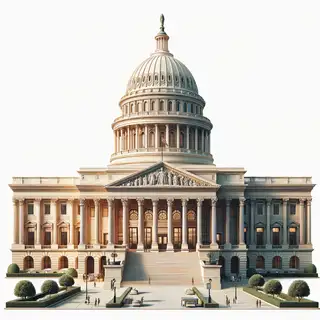




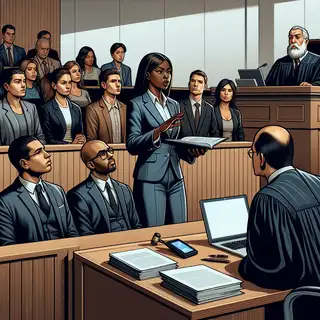



The Supreme Court of the United States granted a stay on September 25, 2026, regarding a modified voter verification program implemented by the Department of Homeland Security (DHS). This decision affects various organizations, including the League of Women Voters, which challenged the program, claiming it violated privacy laws. The ruling is significant as it allows the government to continue using the modified program while the case is appealed.
The case, titled Department of Homeland Security v. League of Women Voters (Docket No. 26A308), centers around the Systematic Alien Verification for Entitlements (SAVE) program. Originally established in 1986, SAVE was designed to help government agencies verify the citizenship and immigration status of individuals applying for public benefits. In 2025, the program was expanded under an Executive Order signed by President Trump, allowing state and local authorities to verify the citizenship status of registered voters and those registering to vote.
The modifications to SAVE included new checks against Social Security Administration (SSA) records and allowed bulk searches of multiple individuals. These changes raised concerns among various organizations, including the League of Women Voters and the Electronic Privacy Information Center, which filed a lawsuit against DHS and SSA. They argued that the modifications violated the confidentiality provisions of the Social Security Act, the Privacy Act of 1974, and the Administrative Procedure Act (APA).
The plaintiffs claimed that the new system could potentially disenfranchise voters, particularly recent naturalized citizens, by requiring them to provide additional proof of citizenship. They sought summary judgment on their claims, while the government argued that the plaintiffs lacked standing and that the modifications did not violate any laws.
The District Court ruled in favor of the plaintiff organizations, vacating the modified SAVE program and denying the government's request for a stay pending appeal. The D.C. Circuit Court upheld this decision, leading the government to seek a stay from the Supreme Court.
In its ruling, the Supreme Court stated, “The plaintiff organizations likely have standing, but their claims likely lack merit.” The court acknowledged the potential for irreparable harm to the government if the stay was not granted, emphasizing the importance of the modified SAVE program in verifying voter citizenship status. The court noted that “the equities weigh in favor of a stay,” allowing the government to continue using the program while the appeal is pending.
The ruling means that the modified SAVE program can remain in effect as the case moves through the appeals process. This decision has implications for how voter registration and verification will be handled in the upcoming elections, particularly concerning the verification of citizenship status.
The Supreme Court’s decision to grant a stay allows the government to utilize the modified SAVE program, which it believes is crucial for ensuring the integrity of voter registration. The court's ruling suggests that it may view the government's arguments regarding the legality of the program favorably, potentially setting a precedent for future cases involving voter verification and privacy laws.
Looking ahead, the case will proceed through the appeals process, and it remains to be seen whether the Supreme Court will ultimately uphold the lower court's ruling or side with the government. The outcome could have significant implications for voter registration processes across the country, particularly as states prepare for upcoming elections.
Details were not available in the court filing regarding the timeline for the appeal or any related cases that may be pending. However, the ruling highlights the ongoing legal battles surrounding voter verification and the balance between privacy rights and election integrity.