



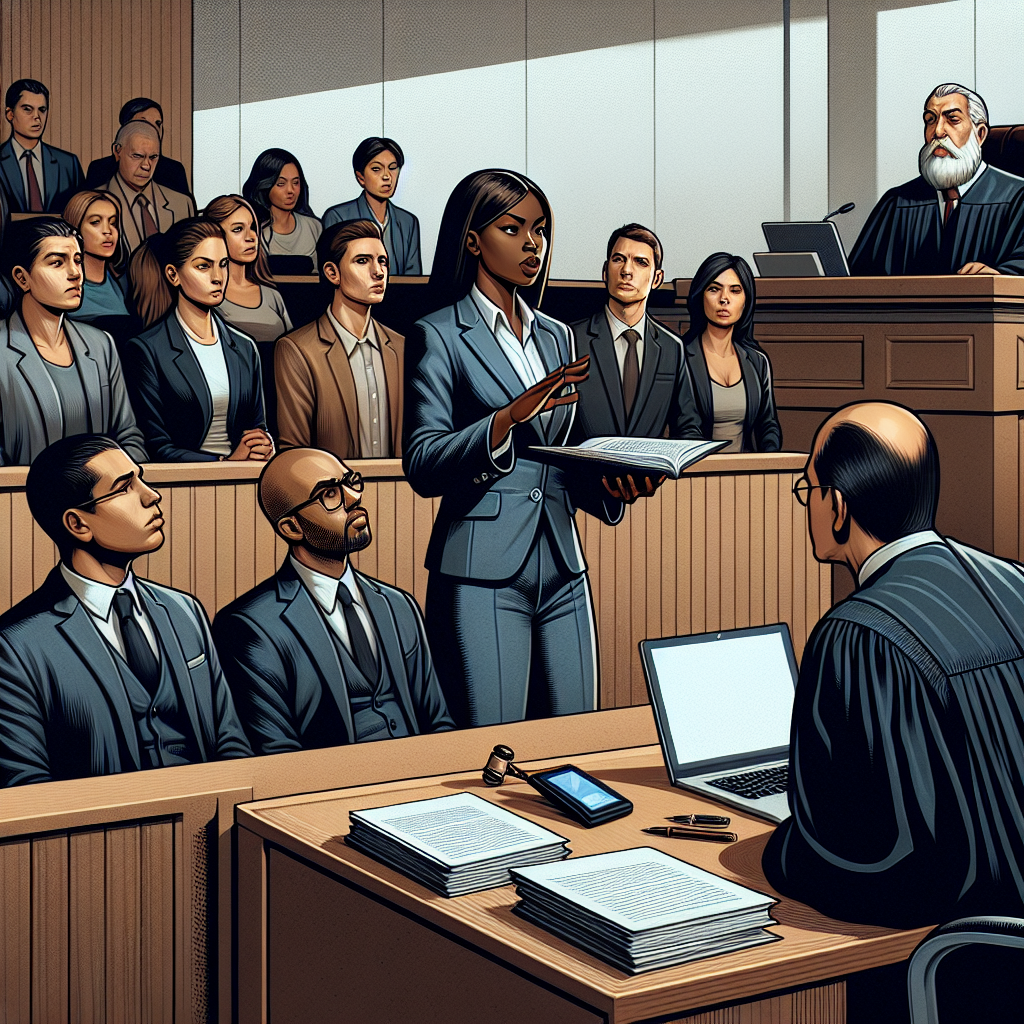






The Virginia Court of Appeals has ruled in favor of the University of Virginia (UVA), affirming the university's decision to withhold certain documents from public disclosure. The case, Walter Smith v. Carlos M. Brown, Rector, University of Virginia, centers around a petition for a writ of mandamus filed by Walter Smith, who sought access to documents that UVA claimed were exempt under the Virginia Freedom of Information Act (VFOIA). This ruling affects how public institutions handle requests for documents and the interpretation of the working papers exemption in Virginia law.
Walter Smith, representing himself, filed a petition against Carlos M. Brown, the current rector of UVA, after the university partially fulfilled his requests for documents under the VFOIA. Smith argued that the withheld documents were not working papers and should be disclosed. The case highlights the ongoing tension between public access to information and the need for certain documents to remain confidential for deliberative purposes.
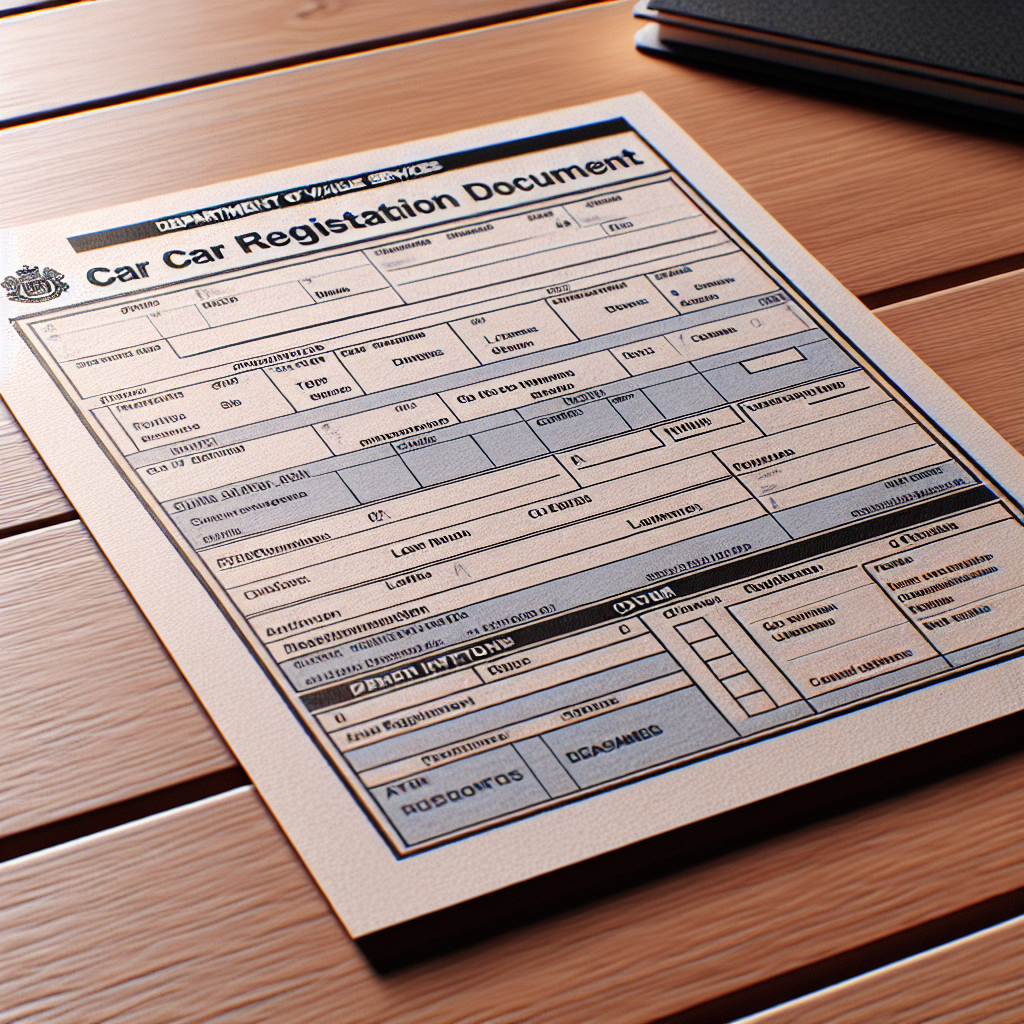
The dispute began when Smith submitted various VFOIA requests to UVA. While the university provided some documents, it withheld others, claiming they were working papers exempt from disclosure. Smith's petition for a writ of mandamus sought the release of these documents, which included emails and drafts related to university operations and President James Ryan's official duties. The circuit court initially granted Smith's petition in part but upheld the university's decision to withhold specific documents, leading to Smith's appeal.
During the appeal, the Court of Appeals of Virginia reviewed the circuit court's decision. The court noted that the withheld documents included an email concerning the University Guide Service, documents related to President Ryan's trip to Richmond, and drafts of joint statements about university admissions and international conflicts. The university maintained that these documents were created for President Ryan's personal or deliberative use, thus qualifying for the working papers exemption under VFOIA.
The court ruled that the circuit court correctly applied the working papers exemption to the documents in question. Chief Judge Marla Graff Decker emphasized that the VFOIA aims to ensure public access to records while also recognizing specific exemptions. The court stated, "the intention of the legislature... is usually self-evident from the statutory language." It affirmed that the documents were indeed working papers, as they were prepared for the president's use in performing his official duties.
In its analysis, the court highlighted the definition of working papers under VFOIA, which applies to records created for the personal or deliberative use of public officials. The court found that the documents related to President Ryan's trip were created specifically to aid him in his role as president, thus meeting the criteria for the exemption. Similarly, the drafts of joint statements were deemed to reflect President Ryan's deliberative process, even though they involved other university officials.
The ruling has significant implications for public access to information in Virginia. It reinforces the notion that public institutions can withhold certain documents if they are deemed working papers, thereby maintaining a level of confidentiality necessary for effective governance. This decision may influence future cases involving VFOIA requests and the interpretation of what constitutes a working paper.
Looking ahead, the ruling sets a precedent for how similar cases may be handled in Virginia. Public institutions may feel more empowered to assert the working papers exemption when responding to VFOIA requests. However, it also raises questions about the balance between transparency and the need for confidentiality in governmental decision-making processes.
Details were not available in the court filing regarding whether Smith plans to appeal the ruling or if there are related cases pending. The outcome of this case may encourage further discussion on the limits of public access to governmental documents and the extent of exemptions under Virginia law.