









The United States Court of Appeals for the Second Circuit has ordered a new trial for Justin McClarin against several New York Police Department (NYPD) officers. The court's decision comes after McClarin was awarded compensatory and punitive damages in a previous trial for claims of unlawful search and malicious prosecution. This ruling affects not only McClarin but also sets a precedent for how similar cases may be handled in the future.
The case, McClarin v. City of New York, was filed under docket number 23-7310 and stems from events that occurred in December 2015. McClarin alleged that officers unlawfully entered his apartment without a warrant and arrested him based on false information. The court's ruling emphasizes the importance of due process and the need for law enforcement to adhere to constitutional standards.
The parties involved in the case include Justin McClarin, the plaintiff, and several NYPD officers: David Grieco, Michael Ardolino, William Schumacher, and Sergeant Robert Martinez, who served as defendants. The dispute arose after McClarin was arrested during a police raid at his apartment, where he was accused of holding a woman against her will. McClarin claimed that the officers violated his rights by entering his home without a warrant and that he was wrongfully prosecuted based on coerced testimony.
The case reached the Second Circuit after a jury trial in the United States District Court for the Eastern District of New York found in favor of McClarin. The jury awarded him $40,000 in compensatory damages and $275,000 in punitive damages for the unlawful search. Additionally, they awarded him $75,000 in compensatory damages and $500,000 in punitive damages for malicious prosecution. The officers appealed the decision, arguing that the district court had erred in denying their post-trial motions for judgment in their favor and for a new trial.
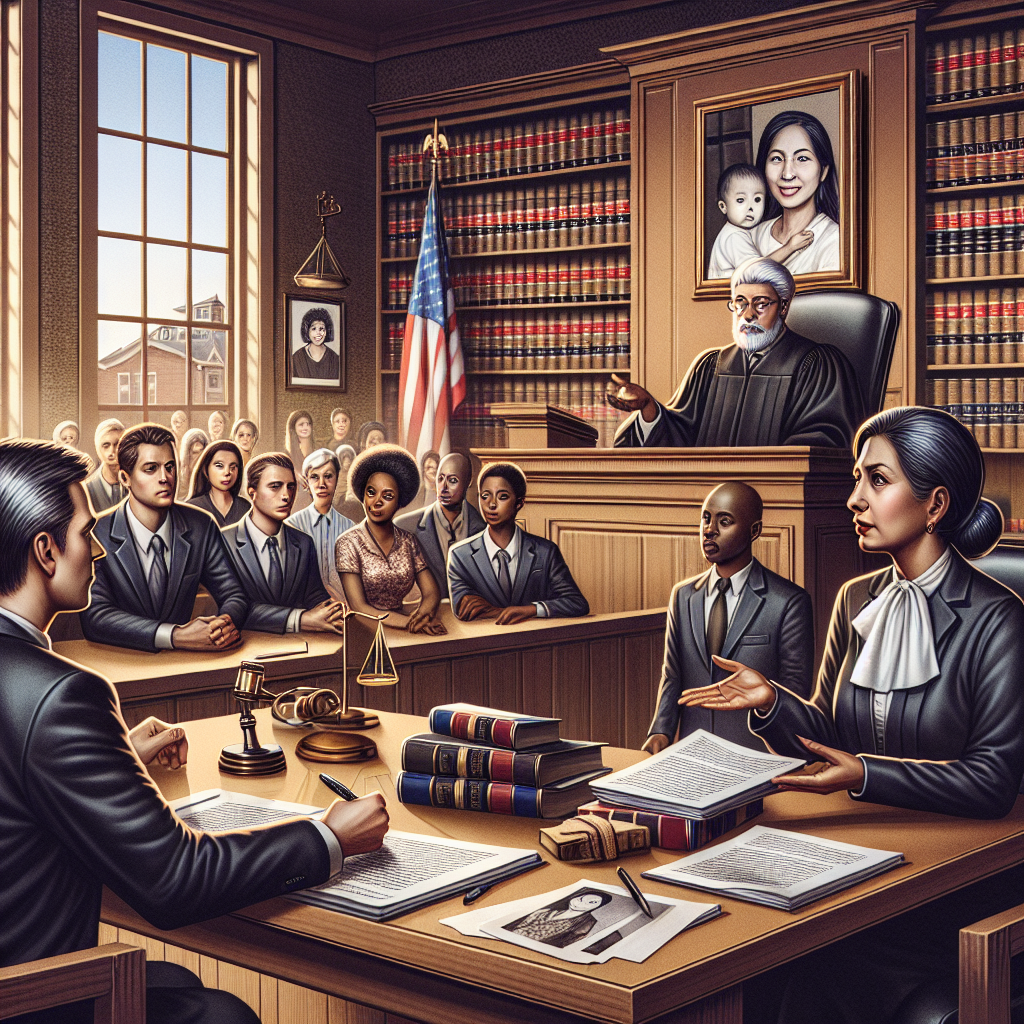
The court ruled that while the officers were not entitled to a judgment as a matter of law regarding the unlawful search claims, it found that the district court had made a mistake by not allowing the jury to hear recorded conversations that could have impacted the credibility of McClarin and his key witness. The court stated, "we conclude that the district court should have allowed the jury to hear the proffered recorded conversations, which were relevant to assessments of the credibility of plaintiff and his key witness." As a result, the court vacated the previous judgment and ordered a new trial.
This ruling has significant implications for McClarin and the defendants. It means that the case will be retried, allowing both sides to present their arguments and evidence again. The court's decision also highlights the importance of ensuring that all relevant evidence is considered during a trial, especially when it pertains to witness credibility.
The impact of this ruling extends beyond McClarin's case. It serves as a reminder of the legal standards that law enforcement must adhere to when conducting searches and making arrests. The court's emphasis on the need for credible evidence and the exclusion of potentially damaging information raises questions about how similar cases will be handled in the future. This ruling could influence how police departments train their officers and how they approach investigations.
Looking ahead, the case may be appealed again depending on the outcome of the new trial. If either party is dissatisfied with the results, they could seek further review from a higher court. Additionally, the ruling may encourage other individuals who believe their rights have been violated by law enforcement to pursue legal action, knowing that the courts are willing to scrutinize police conduct closely.
Details were not available in the court filing regarding any related cases or potential appeals that may arise from this decision. The legal landscape surrounding unlawful searches and malicious prosecution continues to evolve, and cases like McClarin's contribute to the ongoing dialogue about police accountability and the protection of individual rights.