











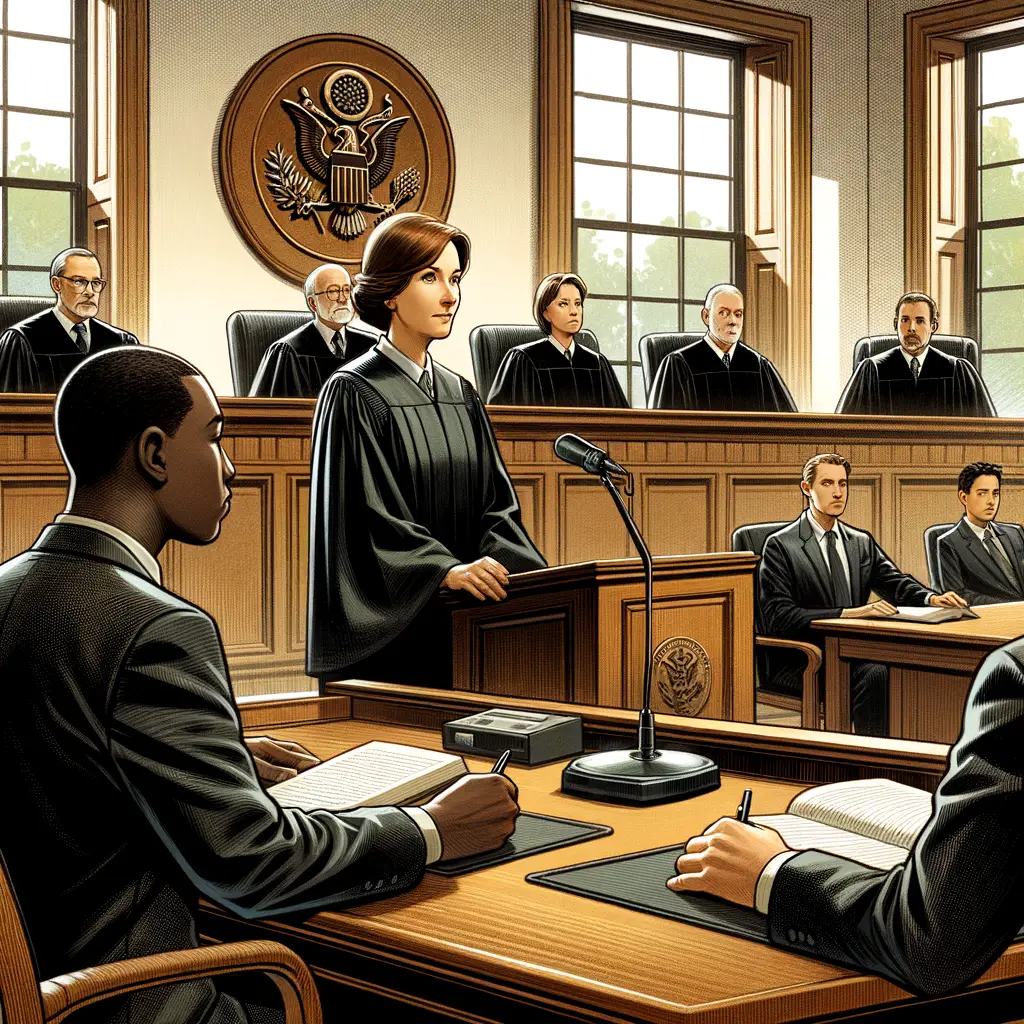
The Connecticut Supreme Court recently issued a ruling in the case of Paul R. Himmelstein v. Town of Windsor, SC18455, clarifying the legal standards for municipal liability related to injuries caused by road defects. This decision affects individuals who may seek compensation from towns for injuries sustained due to unsafe road conditions.
The case arose from an incident on July 20, 2004, when Himmelstein was riding his bicycle on Route 159 in Windsor and collided with a radar trailer placed in the breakdown lane by the town's police department. Following the accident, Himmelstein filed a lawsuit against the town, alleging that the placement of the radar trailer constituted a nuisance and that the town had a statutory duty to maintain the road safely.
The dispute centered on whether Himmelstein could pursue a nuisance claim against the town despite the existence of a statutory claim under General Statutes § 13a-149, which provides the exclusive remedy for injuries caused by road defects. The trial court initially struck down Himmelstein's nuisance claim, determining that it was legally insufficient because the allegations invoked the highway defect statute. Himmelstein appealed this decision.
Background
Paul R. Himmelstein, the plaintiff, was involved in an accident while biking on Route 159, a state highway maintained by the Connecticut Department of Transportation. He claimed that the radar trailer set up by the Town of Windsor created a dangerous condition that led to his injuries. In his complaint, Himmelstein alleged multiple counts against the town, including breach of statutory duty and nuisance.
The case progressed through the legal system, with the trial court granting the town's motion to strike the nuisance claim and later granting summary judgment in favor of the town, concluding that it was not responsible for maintaining Route 159. Himmelstein's appeal to the Appellate Court affirmed these decisions, leading to the certified appeal to the Connecticut Supreme Court.
The Ruling
The Connecticut Supreme Court, led by Justice Norcott and joined by Chief Justice Rogers and Justices Zarella, McLachlan, Eveleigh, and Vertefeuille, ultimately upheld the Appellate Court's ruling. The court ruled that General Statutes § 52-557n, which governs municipal liability, precludes a concurrent nuisance claim against a town when the plaintiff's allegations fall under the exclusive remedy of § 13a-149.
The court stated, "the plaintiff’s exclusive remedy is an action pursuant to § 13a-149,” emphasizing that the nuisance claim was legally insufficient because it was based on the same allegations that invoked the highway defect statute.
The court clarified that the trial court's determination that the plaintiff's injuries were caused by a highway defect was correct, and therefore, the plaintiff could not pursue a nuisance claim against the town. The court also noted that the plaintiff had not established that the town was responsible for maintaining the road where the accident occurred, which further supported the dismissal of the nuisance claim.
Impact
This ruling has significant implications for future claims against municipalities in Connecticut. It reinforces the principle that when a plaintiff alleges a highway defect, their only recourse against a municipality is through the specific statutory framework provided by § 13a-149. This means that individuals who suffer injuries due to road defects cannot pursue alternative claims in nuisance if their allegations fall within the scope of the highway defect statute.
Additionally, the ruling clarifies the legal boundaries of municipal liability, emphasizing that municipalities are not liable for nuisance claims related to highway defects. This decision may discourage some claims against towns and municipalities, as plaintiffs will need to carefully consider the statutory framework when filing lawsuits for injuries related to road conditions.
What's Next
While the Connecticut Supreme Court's decision in Himmelstein v. Windsor is final, it underscores the importance of understanding the legal nuances of municipal liability. There may be related cases pending that could further explore the implications of this ruling, but as it stands, the court's decision sets a clear precedent for how similar claims will be handled in the future.
Read Next
 Connecticut court rules on utility pole dispute between neighbors
 Court rules against Day Kimball Healthcare in appeal case
 Court rules on child expense disputes in Marcus v. Cassara
 Texas Court dismisses whistleblower claims against DISD
 Texas Court Rules on Discovery in Chemical Company Case
 Court rules on foreclosure irregularity in Zalewski case