











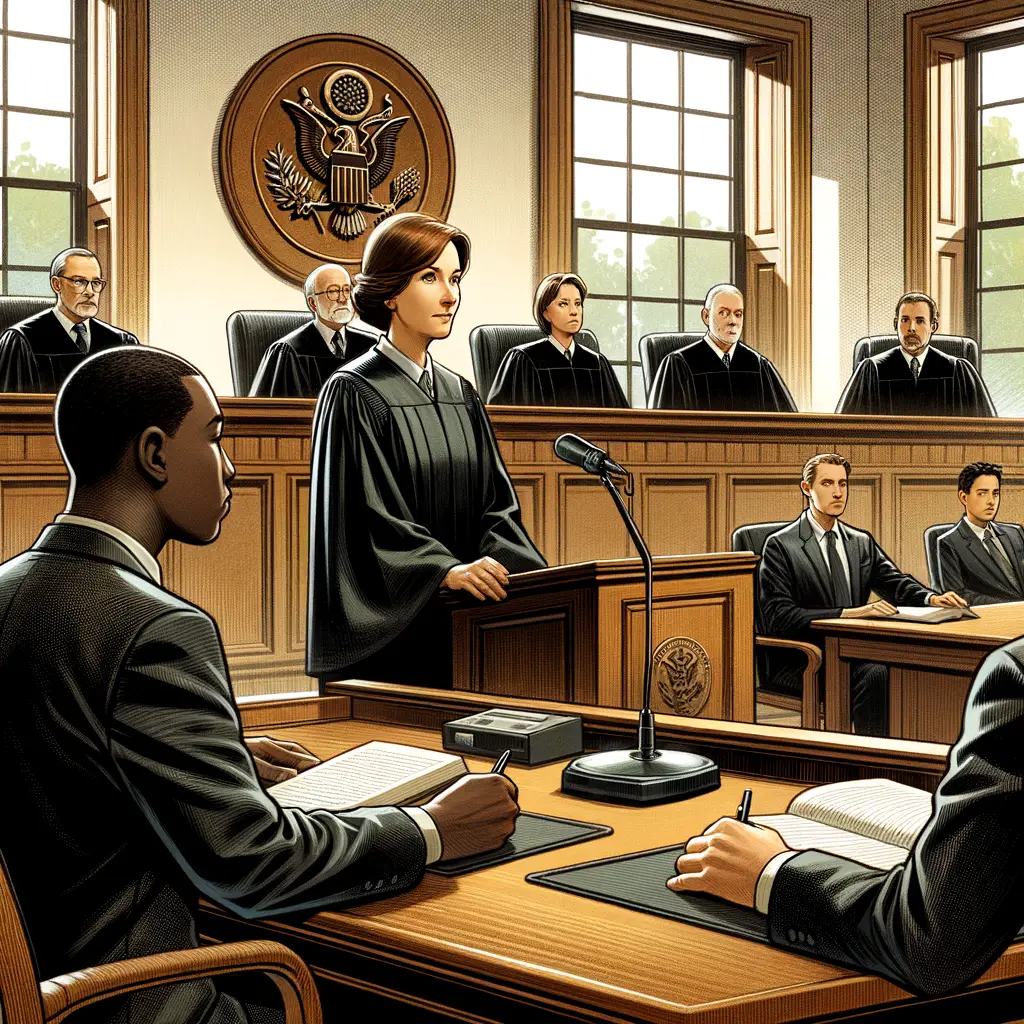
The Appellate Division of the Supreme Court of the State of New York has affirmed the dismissal of a false arrest claim filed by John Doe against Jane Doe. The court's decision, issued on November 17, 2026, clarifies the legal standards surrounding false arrest and the responsibilities of civilian complainants when reporting incidents to law enforcement.
This ruling impacts individuals who may find themselves in similar situations, where their actions in reporting a crime could lead to legal repercussions. It emphasizes that merely providing information to police does not automatically make someone liable for false arrest.
Background
In the case of Doe v. Doe (Index No. 151110/18), John Doe, the plaintiff, filed a lawsuit against Jane Doe, the defendant, after he was arrested by the New York Police Department (NYPD) for unauthorized presence on university property. John Doe represented himself in this case, while Jane Doe was represented by the law firm White Case LLP, with Kimberly A. Havlin as counsel.
The dispute arose after John Doe alleged that Jane Doe was responsible for his arrest, claiming that she had influenced law enforcement's decision to take action against him. The case was initially heard in the Supreme Court of New York County, where the judge ruled in favor of Jane Doe, granting her motion for summary judgment. John Doe subsequently appealed this decision to the Appellate Division.
The Ruling
The Appellate Division unanimously affirmed the lower court's decision, stating that Jane Doe could not be held liable for false arrest. The court noted that a civilian complainant, by merely seeking police assistance or providing information, does not bear responsibility for the actions taken by law enforcement authorities. The court cited a previous case, stating, "It is well settled . . . that a civilian complainant . . . will not be held liable for false arrest or malicious prosecution."
The ruling emphasized that both the university's Department of Public Safety (DPS) and the NYPD independently determined to arrest John Doe. The court found that Jane Doe did not encourage or influence this decision in any way. Instead, she simply sought assistance from law enforcement, who acted on their own judgment regarding the situation.
Impact
This ruling clarifies the legal landscape surrounding false arrest claims, particularly in cases involving civilian complainants. It establishes that individuals who report potential crimes to law enforcement are not automatically liable for the subsequent actions taken by police. This decision may serve as a precedent for future cases where the actions of civilian informants are called into question.
The outcome also highlights the importance of law enforcement's discretion in making arrests. It reinforces the notion that police officers have the authority to exercise their judgment when responding to reports from civilians, thus protecting individuals who report crimes from potential legal repercussions.
What's Next
While the Appellate Division's ruling is final, John Doe may have limited options for further appeal. Details were not available in the court filing regarding any related cases or potential future actions by either party.
Read Next
 Court upholds conviction of Russell Smith for first-degree rape
 Court affirms collective action certification in wage dispute
 Court upholds negligence claims in construction accident case
 Court affirms divorce rulings in Harmon v. Harmon case
 Court affirms dismissal of life insurance beneficiary dispute
 Vermont court upholds judgment in Midland Credit case